

TRAVEL YOUR WAY
Business class flights
Check the cabin offered on each flight in your itinerary. Seat design and included services can vary by aircraft and route. The airline references help you verify what the fare you are considering includes.
Find what matters for this tripTHE PRACTICAL GUIDE
Choose the comfort you will use
A quiet overnight flight and a short daytime hop ask different things of a seat. Decide which parts of business class will improve your actual journey, then compare the aircraft and itinerary against those priorities. The useful detail sits in the seat layout, the timing and the fare you are buying.
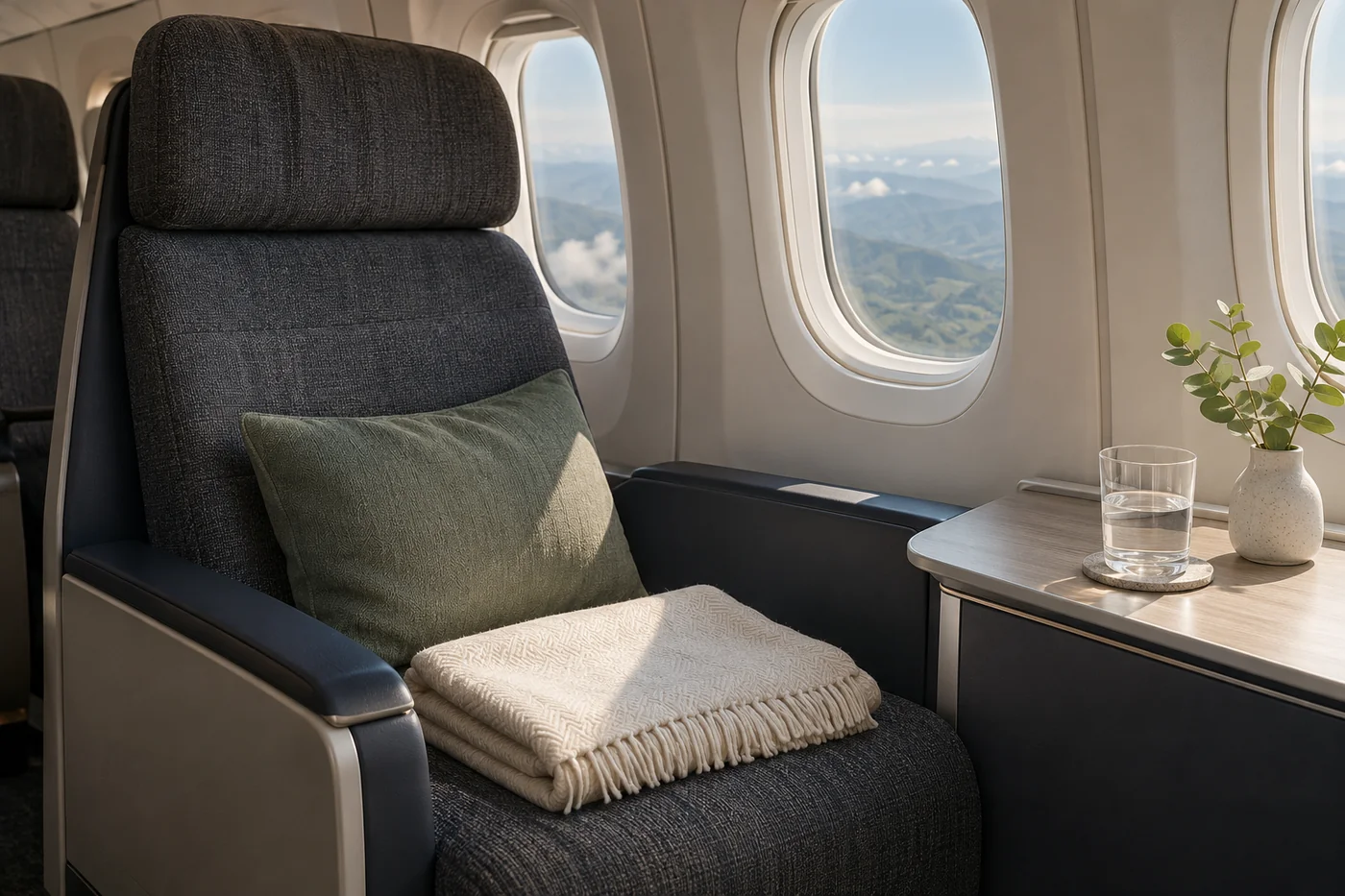
Look closely at the actual seat
Start with the operating airline, aircraft type and cabin shown for your specific departure. A photograph on an airline's main business class page may represent a different aircraft. Open the seat map and read the product description together. If sleeping is the reason for the upgrade, establish whether the selected seat becomes a flat bed and whether you can reach the aisle without stepping past another passenger.
The differences can be substantial within one airline. British Airways describes an empty middle seat in its Club Europe cabin, while Club World on longer routes offers seats that convert into flat beds. These are specific products, so use the equivalent details for whichever airline operates your flight.
If traveling as a couple, check whether the available seats let you sit beside one another. Privacy and easy conversation are different priorities, and the same layout may suit one traveler better than another.
Weigh the cabin against the schedule
Put the departure time, total journey length and arrival time alongside the seat details. An appealing cabin loses some of its value if reaching it means a long detour or an inconvenient airport. Compare the journey from your front door to your final address, including any connection.
| Your priority | What to compare |
|---|---|
| Rest before a busy day | Seat position, time available on board, landing time and the onward transfer. |
| More room on a daytime flight | Seat width, personal space and the price difference from premium economy. |
A journey without a connection may deserve more of your budget than a particular cabin. If space is the main concern, compare the actual premium economy seat before deciding how much extra to spend.
Check the cabin on every leg
Read each flight in the itinerary separately. Record the cabin beside the short connecting flight as well as the long flight, then repeat the exercise for the journey home. If you accept a different cabin on one leg, make that choice deliberately and keep it visible in your comparison.
The overnight outbound journey might be where you most want a bed, while the daytime return gives you more room to compromise. Ask whether both directions need the same cabin before treating business class throughout as an essential requirement.
For an itinerary with several operators, use each operating airline's seat and baggage information. Save the flight numbers and product details with your notes so that two similar-looking options remain easy to distinguish when you revisit them.
Read what the fare includes
Make a short checklist for the extras you expect to use. Mark an item as included only when it appears in the selected fare or the airline's applicable conditions. A more expensive cabin and a ticket you can change are separate things to establish.
- Check the checked-bag and cabin-bag allowance for the complete itinerary.
- Confirm whether choosing your preferred seat adds a charge.
- Read lounge access details for the actual departure airport and any connection.
- Review the change and cancellation conditions before paying.
- Check the total for every traveler, including the extras you selected.
Only count an inclusion as a saving if you would otherwise buy it. Someone traveling with a small carry-on will value a larger checked-bag allowance differently from someone taking equipment for a long stay.
Give your trip a clear brief
Describe the experience you need in concrete terms. Include your spending limit, acceptable airports and the latest useful arrival time. Explain whether the seat itself is essential or whether you would consider another cabin for a simpler schedule.
Adapt that example to your dates and add your preferences to your flight brief. Keep the aircraft details, fare conditions and final price from the airline beside it when you make the booking decision.
KEEP PLANNING
Other details worth considering
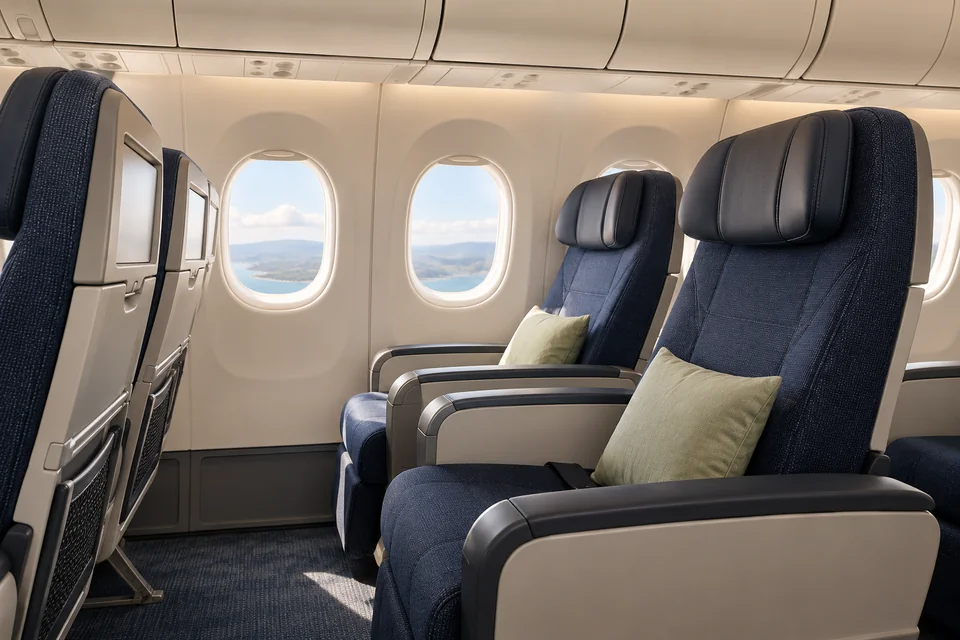

Put your plans in one place
Bring your dates, budget and travel preferences together in a useful flight brief.