
Baggage & Extras | 10 minute read
Wizz Air Baggage Allowance: The True Cost of Taking Luggage
Work out Wizz Air baggage costs from the bags you actually need, compare Priority with checked luggage and avoid mistaking a low fare for the final price.
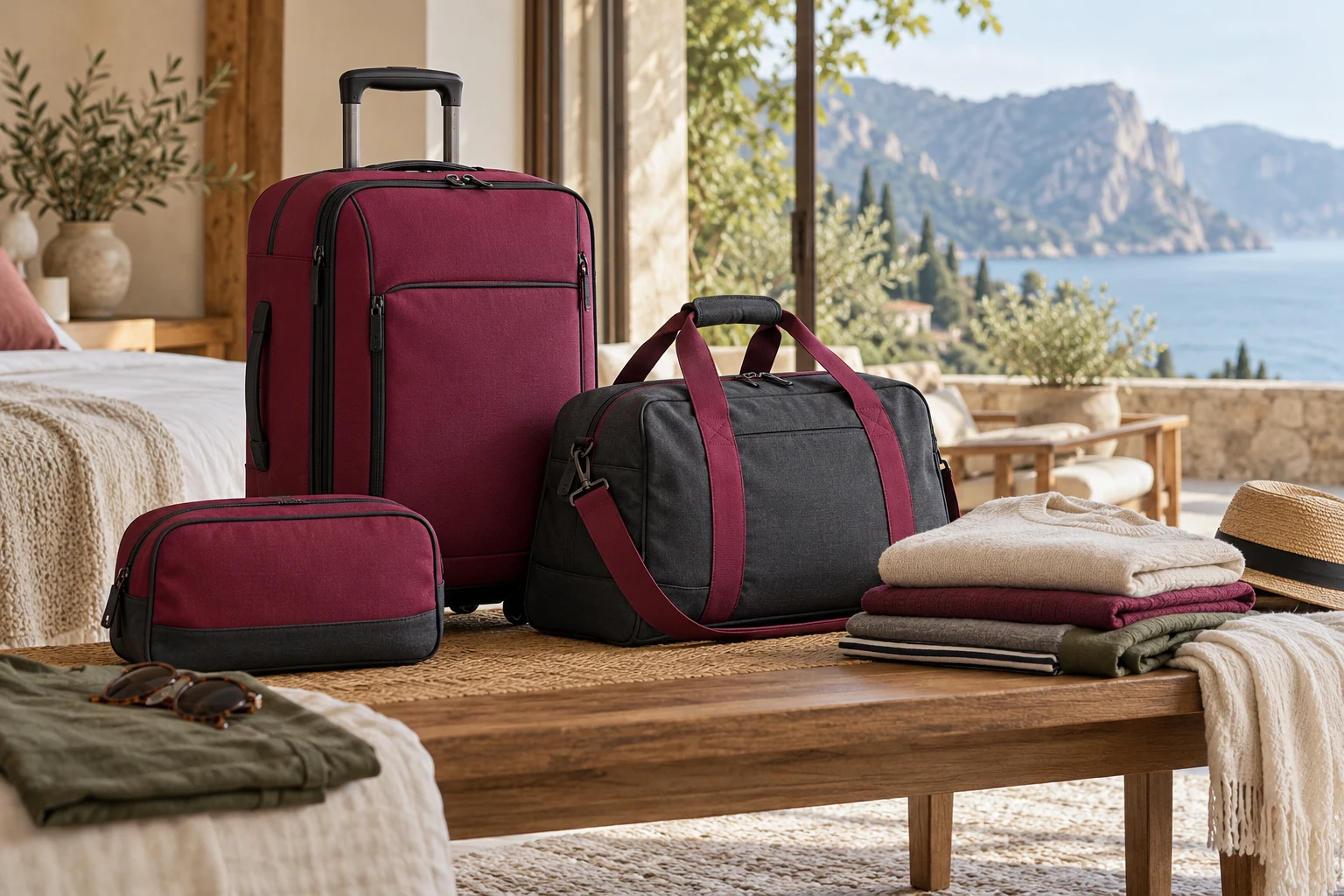
What is the true cost of Wizz Air baggage?
The true cost depends on your flight, luggage requirements and selected extras. Wizz Air's headline fare includes a small underseat bag, while a larger cabin trolley or checked suitcase requires the appropriate entitlement.
There is no single baggage fee that accurately describes every booking. Retrieve the current quote for your flight and compare the complete price with the bags you will use.
Start by packing, or at least making a realistic packing list. Shopping for baggage before knowing what needs to go inside is a surprisingly easy way to buy the wrong thing.
Separate the three main luggage choices
| Option | Published allowance | Best question to ask |
|---|---|---|
| Free underseat bag | 40 x 30 x 20 cm, up to 10 kg | Will my packed bag fit? |
| Priority cabin trolley | Additional 55 x 40 x 23 cm bag, up to 10 kg | Do I need the larger cabin piece? |
| Checked luggage | Purchased weight options of 10, 20, 26 or 32 kg | Which weight and piece count suit the trip? |
These figures come from the Wizz Air baggage allowance guide, reviewed on November 2, 2026. Its measuring notes exclude handles and wheels from the stated dimensions, with wheels allowed up to 5 cm extra. Check the full policy against your particular bag.
Keep cabin and checked entitlements separate in your notes. Purchasing one type does not mean you can use it interchangeably as the other.
When the included small bag is enough
The free option can work well for a traveler with compact clothing needs and little equipment. The length of the holiday alone does not decide whether it is practical.
Consider the climate, planned activities and access to laundry. A week with simple clothing and a confirmed washing facility can require less luggage than a short trip with bulky formalwear.
Pack the bag before deciding and check the outside shape. A soft backpack can become much deeper once its front pockets are full.
If you need to buy new luggage to make the small allowance work, include that purchase in your decision. Spending heavily on a bag solely to avoid a modest upgrade may not improve this trip's budget.
What Priority changes in the comparison
Priority is relevant when you want the permitted second cabin bag. Price it for the correct traveler and flight, and check whether your chosen fare or bundle already provides the entitlement.
Our guide to deciding whether Wizz Air Priority is worthwhile examines the service separately. Treat the baggage benefit as a concrete inclusion and assess any other benefits according to your needs.
Do not assume that a service involving earlier boarding removes other airport queues. Read the specific product description rather than transferring expectations from another airline.
A cabin trolley is most useful when its size and weight cover what you need. If the packed case exceeds those limits, the price of Priority does not solve the underlying luggage problem.
Choose checked baggage by packed weight
Weigh the intended case with its contents inside, including the items you tend to add just before leaving. Compare the suitable checked option against any larger allowance that offers a useful margin.
A heavier allowance can be sensible for a return journey with planned purchases. It is less useful when the extra capacity has no realistic purpose.
Check piece count as well as total weight. Buying a weight allowance does not automatically authorize any number of separate bags, and each item needs to satisfy the applicable conditions.
Consider the airport process too. Checked luggage involves handing over the case and collecting it after arrival. Build the transfer timetable around that process rather than assuming you can leave the terminal immediately.
Read every part of the baggage quote
Record the passenger, flight date, direction and baggage product beside the quoted amount. Those details make it possible to compare two prices without silently changing the requirement.
If you have a return journey, inspect both flights. Different selections or prices can apply, so an outward screenshot is not a complete record of the trip.
Keep currencies consistent. Where the booking displays different currencies, use the payment amount you will actually face and account for any relevant payment-provider conversion cost.
For an existing booking, use the airline's booking-management service to obtain an applicable quote. A general promotional starting price is not evidence of what adding your suitcase will cost today.
Compare bundles with the extras you would buy
List the useful items in the bundle, then price the simpler fare with those same items added separately. Compare equivalent requirements rather than the number of benefits displayed.
For example, a traveler who needs only a larger cabin bag should not automatically assign full value to an unrelated benefit. A traveler who also wants the other inclusions may reach a different decision.
Check whether each benefit applies to every passenger and flight being booked. A family comparison can become misleading if a per-person package is compared with one shared checked suitcase.
If the bundle is only slightly more expensive, decide whether its useful convenience justifies the difference. Make that judgment from the written inclusions, not from how prominently the option is presented.
Calculate the full price with a worked example
Here is an invented comparison. A return fare costs GBP 90, and the baggage needed for both directions adds GBP 55. The resulting airfare and baggage total is GBP 145.
A competing itinerary costs GBP 135 with the required luggage already included. It is GBP 10 cheaper on this limited comparison. These numbers are illustrative and are not current Wizz Air prices.
Now include airport transport and timing. If the competing flight requires a much more expensive transfer, the preferred option could change again.
Our comparison of Wizz Air and Ryanair with bags included follows the same principle. Equivalent luggage and complete journey costs make the comparison useful.
Avoid buying identical extras for everyone by default
A group may not need the same baggage arrangement for every traveler. One person might need equipment while another can travel comfortably with the included bag.
Build a packing plan first. Identify each physical piece, who is responsible for it and the allowance required on each flight.
Do not assume that sharing luggage means weight can be pooled under any arrangement you choose. Check the applicable rules and assign purchases correctly in the booking.
Keep access needs in mind as well. Everyone should know where their documents and necessary belongings are, especially if the party might separate during the journey.
Resolve size and weight problems before departure
If a packed bag does not meet the purchased allowance, change the plan before reaching the airport. Repacking at home gives you more choices and a much calmer place to use them.
Our guide to preventing excess baggage fees covers weighing and measuring habits that help. Check the return bag too, especially after shopping or receiving gifts.
Anecdotes about another traveler's bag being accepted do not change the published allowance. Neither does a retailer's general claim that a case is suitable for budget airlines.
Save the updated confirmation after any purchase. Verify that the correct entitlement appears against the traveler and flight before you leave for the terminal.
Choose the smallest suitable paid option
Use the included allowance if it comfortably meets your needs. If it does not, compare the relevant cabin or checked option and any bundle that supplies the same useful benefits.
Price every direction, check the bag's measurements and review the final booking summary. Add airport access and other necessary travel costs when comparing airlines.
The cheapest sensible arrangement is the one that covers the actual trip. A low initial fare can still be good value after baggage, but the complete calculation has to establish that.
Keep baggage separate in your travel budget
Write the airfare and baggage as separate lines before adding them together. That makes it easier to see whether a new quote is cheaper because the fare changed or because the selected luggage no longer matches your needs.
Include purchases made to support the packing plan. A new suitcase, paid laundry or replacement toiletries at the destination can affect the result. These costs do not automatically make light packing a bad choice, but they belong in the decision when they are necessary.
For repeated travel, distinguish this trip's expense from something you expect to use again. A durable bag may serve several journeys, while a flight-specific upgrade applies only to the booking purchased. Avoid inventing a precise long-term saving if you do not know how often you will travel.
Use the same approach when comparing another airline. Otherwise, one option may include all the practical costs while the other remains a headline fare with an optimistic packing assumption.
Use three questions to choose the right arrangement
First, will the actual packed bag meet the dimensions and weight of the option under consideration? If the answer is uncertain, measure and weigh it before paying. A product description cannot settle a question about the case in your hallway.
Second, does the arrangement suit the airport process you want? Consider carrying the bag through the terminal, handing it over where required and collecting it on arrival. Add the implications to your transfer plans.
Third, is the complete price competitive with another suitable itinerary? Include the luggage on every flight and any necessary airport transport. If the saving is small, convenience may reasonably determine the choice.
These questions help avoid a common comparison mistake: selecting a cheaper baggage product even though it does not cover the trip. The useful choice must pass all three checks.
Recheck luggage after changing travel plans
A change of dates, destination or traveler can alter what you need to carry. Review the baggage arrangement when making a booking amendment instead of assuming the original packing plan still applies.
Read the revised confirmation carefully and check how previously purchased extras have been handled. If anything is unclear, ask through the airline's official support channels before buying replacements.
Keep the latest confirmation easy to identify. Several similar emails can make an old allowance look current, especially when the flight itself has changed.
If you change the size of your bag after booking, revisit the allowance rather than assuming the original purchase remains suitable. A replacement case can be larger or heavier, changing whether the selected product still covers the luggage you intend to bring.
Your questions answered
Does Wizz Air include a cabin suitcase for free?
The included item is a small underseat bag. A larger trolley requires the appropriate additional entitlement. Measure your case and distinguish the two allowances before booking.
Is checked baggage always cheaper than Priority?
No. Compare the quotes for your flights and the capacity you need. They provide different baggage arrangements, so the cheaper product is useful only if it actually suits your luggage.
Can I use an old baggage price to budget a new booking?
Use it only as a rough historical reference. Obtain the current quote for the new flight, traveler and baggage choice before deciding whether the fare offers good value.