
Booking & Fare Conditions | 11 minute read
Are Flight-Only Bookings ATOL Protected? What to Check Before Paying
A flight booking does not automatically come with ATOL protection. Establish who is selling it, what the certificate covers and what would happen if that company failed.
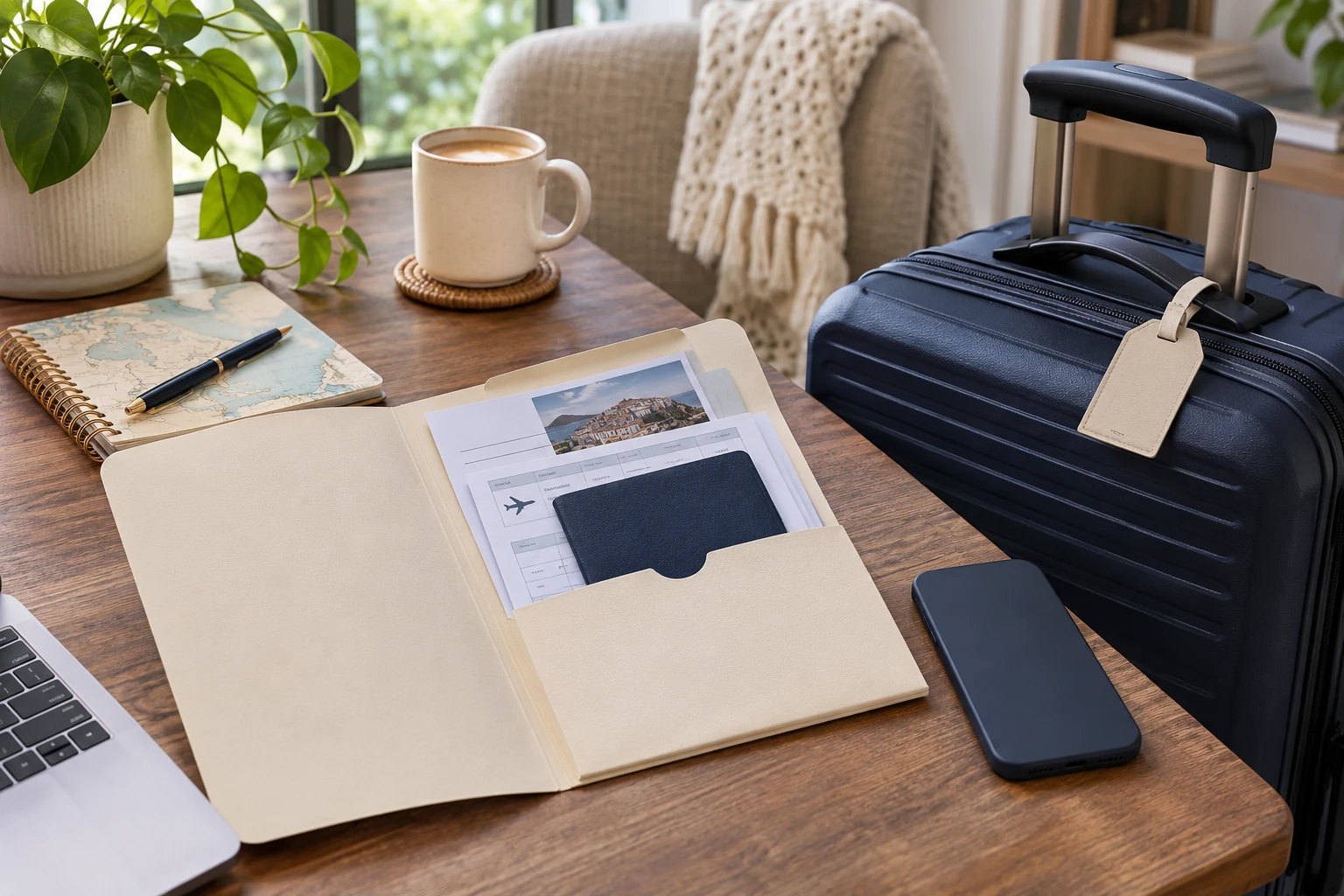
Flight-only protection depends on the booking
Some flight-only bookings are ATOL protected, but many are not. Buying through a travel company, seeing an ATOL logo or departing from a UK airport does not settle the question. You need to establish whether your particular purchase is protected and receive the relevant certificate.
ATOL addresses financial failure within its scope. It does not replace travel insurance or promise compensation whenever a flight runs late. For a protected booking, the certificate identifies the business responsible and the travel arrangements covered. Start with that document before assuming the entire trip sits under one protective umbrella.
The official explanation of ATOL protection makes a useful distinction for flight-only sales. A certificate can cover a flight-only booking when a valid e-ticket is not provided in exchange for payment. A flight-only sale where a valid e-ticket is supplied in exchange is generally outside that protection. This distinction should not be applied to a flight that forms part of a protected package.
Ask before you pay.
Identify the product you are buying
Begin with the checkout description. Are you buying a standalone flight, a package containing a flight or several items in separate transactions? Similar-looking baskets can create different arrangements, especially when a website redirects you to another company to complete one part.
Keep the seller's legal name as well as the brand on the website. Those names may differ. The payment description can introduce a third name, so save the invoice and contractual information together. A recognizable logo is useful for finding the business. It is insufficient evidence of what your money bought.
| Purchase | Question to resolve | Useful evidence |
|---|---|---|
| Standalone flight | Is this specific sale ATOL protected? | Written confirmation and certificate where applicable |
| Flight-containing package | Which company is responsible for the package? | Package contract and ATOL Certificate |
| Flight plus separately booked hotel | Which arrangements have their own protection? | Separate contracts and protection details |
| Agent selling another company's product | Who is the relevant ATOL holder? | Holder details on the certificate |
If the answer remains vague, describe your exact basket to the seller. Include the flight, any accommodation and whether you are paying for them together. Ask for a response about those arrangements, rather than a general statement that the company offers protected holidays.
A direct airline booking is a separate decision
ATOL's coverage guidance explains that bookings made directly with airlines are usually not ATOL protected. That does not make booking direct inherently poor value. It means you should assess that purchase on its actual terms and any other relevant protection.
You might prefer direct contact with the airline for changes, seat requests or disruption. Alternatively, a travel company may offer arrangements that suit you better. Compare the complete offer, including the party that will handle a problem. Our guide to booking directly with an airline covers the practical service differences.
A cheaper price and stronger protection are separate questions. Avoid treating either as proof of the other. A website can provide convenient support without extending financial protection to every product it sells.
Read the certificate while corrections are easy
For an ATOL-protected purchase, the certificate guidance says you should receive the document when you make a payment, including a deposit. Check the travelers, arrangements and named ATOL holder. Read both sides and save a copy you can access offline. If the booking changes, check that an updated certificate reflects the amendment.
Do this alongside checking the invoice. A certificate naming two people is a problem if you have paid for three. A departure date that differs from the confirmed itinerary needs clarification. Documents are most useful when they describe the holiday you actually intend to take.
Store the certificate somewhere independent of the travel company's app. Email access can fail abroad, phones can disappear and a failed business may stop answering its usual contact channels. A downloaded copy takes little room. It has a better chance of helping than a screenshot of a cheerful sales banner.
Before closing checkout, make a small record containing the booking reference, amount paid and date of payment. Add the seller's contact details and the certificate reference. You do not need an elaborate filing system. One clearly named folder is enough.
Separate the protected flight from the rest of the trip
A protected flight-only purchase should not be assumed to cover an independently booked hotel, car rental or train ticket. Read the arrangements listed on your own certificate. The word “flight-only” is doing real work.
Consider an invented trip with a protected flight purchase, a hotel booked on another website and a separately reserved airport transfer. If the flight seller fails, you would still need to investigate the hotel and transfer contracts. Their cancellation conditions do not disappear because the flight has become a problem.
Write down the money exposed in each part of your trip. A flight costing £180 can support a much larger commitment to accommodation and activities. The lowest airfare may be only a small part of your financial decision.
Our guide to comparing the complete cost of a flight helps with the arithmetic. Here, add another column for who handles a failure and which document supports that answer. This makes gaps easier to see before several separate payments become difficult to unwind.
An e-ticket and a certificate serve different purposes
An itinerary, a reservation reference and an issued e-ticket are not interchangeable descriptions. Ask the seller what has actually been issued and whether you can verify the reservation with the airline. A payment receipt alone may not answer either question.
ATOL's claims information explains that protected flight-only bookings commonly involve arrangements where a deposit has been paid. It also advises passengers affected by a company failure to check with the airline if they already hold valid tickets, because those flights may still be usable.
That is why buying replacement flights immediately can be an expensive reflex. First establish whether the existing ticket remains valid and follow the instructions for the failed company. Keep any advice received, particularly if it affects whether you should travel or spend more money.
For a normal purchase, you can ask the seller three plain questions: has my ticket been issued, is this flight-only sale protected and which document confirms the answer? If the replies seem inconsistent, ask for clarification before treating the booking as complete.
Check insurance and payment protection separately
Travel insurance and card payment protections have their own eligibility rules, exclusions and claim procedures. Do not assume that the word “travel” on a policy includes every type of supplier failure. Read the relevant sections and ask the insurer about the purchase you are considering.
Useful questions include whether the policy addresses airline or end-supplier failure, which prepaid expenses fall within scope and whether a particular booking method affects cover. Record the answer or keep the policy wording that supports it. A generic comparison-page tick can be a poor substitute for those details.
Similarly, ask your card provider about the transaction if you need to understand possible payment remedies. Avoid relying on a remembered spending threshold or a friend's successful claim. The arrangement between you, the seller and the payment service can matter.
A flexible airfare solves another problem: changing or canceling travel under the ticket's conditions. It is not automatically a financial-failure product. When comparing refundable flight options, keep refund terms and supplier-failure protection in separate rows.
Questions worth asking before paying
Use a short message that the seller can answer precisely. For example: “I am buying the listed flights only for these passengers. Is this specific transaction ATOL protected? If so, which holder is responsible and when will I receive the certificate?” Add the quotation or booking reference if available.
If an agent is involved, ask which business holds the relevant ATOL. An agent can sell on behalf of a holder, so the agent's trading name alone may not identify the responsible company. Compare the written reply with the certificate and contractual paperwork.
Ask about the payment schedule too. A deposit booking may leave a substantial balance due later. Record the balance date and any conditions attached to missing it. Financial protection does not turn a payment deadline into a suggestion.
Finally, check how changes are handled. If you amend the route or add a traveler, you want the itinerary, invoice and protection documents to remain consistent. Correct small discrepancies promptly, while everyone can still see the original transaction.
If the travel company fails
Look for the official instructions concerning that specific business. Use the holder's legal name and ATOL number from your paperwork. Avoid following an unsolicited message simply because it quotes your destination or asks for an urgent processing fee.
Gather the certificate, booking confirmation and payment evidence. The official claims starting point directs customers toward the appropriate process. What you should do depends on the arrangements and the circumstances, including whether travel has begun.
If you are already abroad, prioritize reliable instructions about your accommodation and journey home. If you have not departed, verify the status of any issued flight ticket before assuming it has been canceled. Record conversations and keep receipts for expenditure that official guidance tells you to make.
Separate urgency from guesswork. A quick decision can be necessary, but the correct contact and a clear record are more useful than booking several replacements in a panic.
A worked paperwork check
Imagine buying two flight seats through a travel company and receiving three emails: a receipt, an itinerary and a protection document. Start by matching the passenger names and booking reference across them. Then compare the travel dates and the business named as responsible.
If the receipt shows the seller's trading name while the certificate names a different holder, ask the seller to explain the relationship. Different names are not automatically a problem, but you should understand which company is responsible for the protected arrangements.
Next, look at what you booked elsewhere. Put a separately purchased hotel confirmation in the same folder, but label it as a separate contract. That simple distinction helps prevent an assumption that every document in the folder shares the same protection.
Finally, record any unanswered questions. If the seller has promised a certificate but it has not arrived, follow up promptly. If the passenger count is wrong, request a correction. A folder full of documents is only useful when the documents agree with the purchase.
Compare support alongside the fare
Two quotations may differ in more than the flight price. One seller may provide a clear explanation of the product and a reachable support channel, while another leaves important questions unanswered. Include the clarity of those arrangements in your decision.
Ask how to contact the seller outside normal office hours if travel is disrupted. Check whether support comes from the airline, an agent or a package organizer. Save the appropriate number without assuming every query belongs with the ATOL scheme.
Keep ordinary service problems separate from financial failure. A delayed response, a flight-time change or an incorrect seat assignment does not by itself establish that a company has failed. Use the relevant booking-support process for the issue you actually have.
Before paying a balance, reread any changes sent since the deposit. Confirm that the itinerary still suits you and that the paperwork reflects agreed amendments. This is a useful point to resolve discrepancies while there is still time to act.
Make the final check before confirming payment: correct travelers, correct flights and a clear written explanation of financial protection for this transaction. Keep any promise about documentation in writing. If you cannot establish what is covered, pause the purchase long enough to get an answer. That gives you a firmer basis for comparing sellers than assuming every similarly presented flight comes with the same arrangements.
Your questions answered
Does an ATOL logo mean every flight on the website is protected?
No. Establish whether your particular purchase falls within protection and check the documents provided for it. A business can sell different kinds of travel arrangements with different terms.
Are flights bought directly from an airline usually ATOL protected?
Usually not. Assess the ticket terms and any relevant insurance or payment protection separately. Booking direct can still offer practical advantages when you need to deal with the airline.
Does ATOL replace travel insurance?
No. ATOL concerns financial failure within its scope. Insurance can address other specified risks under the policy, such as medical expenses, but its coverage and exclusions require a separate check.
Is a booking confirmation the same as an ATOL Certificate?
No. Keep both documents when the purchase is protected. The confirmation records the booking, while the certificate identifies the protected arrangements and responsible ATOL holder.
Should I buy another flight as soon as a protected seller fails?
First follow the official instructions for that company and establish whether an issued ticket remains valid. Buying a replacement before checking can create an unnecessary second purchase.