
Baggage & Extras | 9 minute read
Do You Have to Collect Your Baggage on Connecting Flights?
Your bag may transfer automatically, but separate tickets and customs procedures can require collection. Confirm the destination on the tag and ask whether you must reclaim it anywhere along the way.
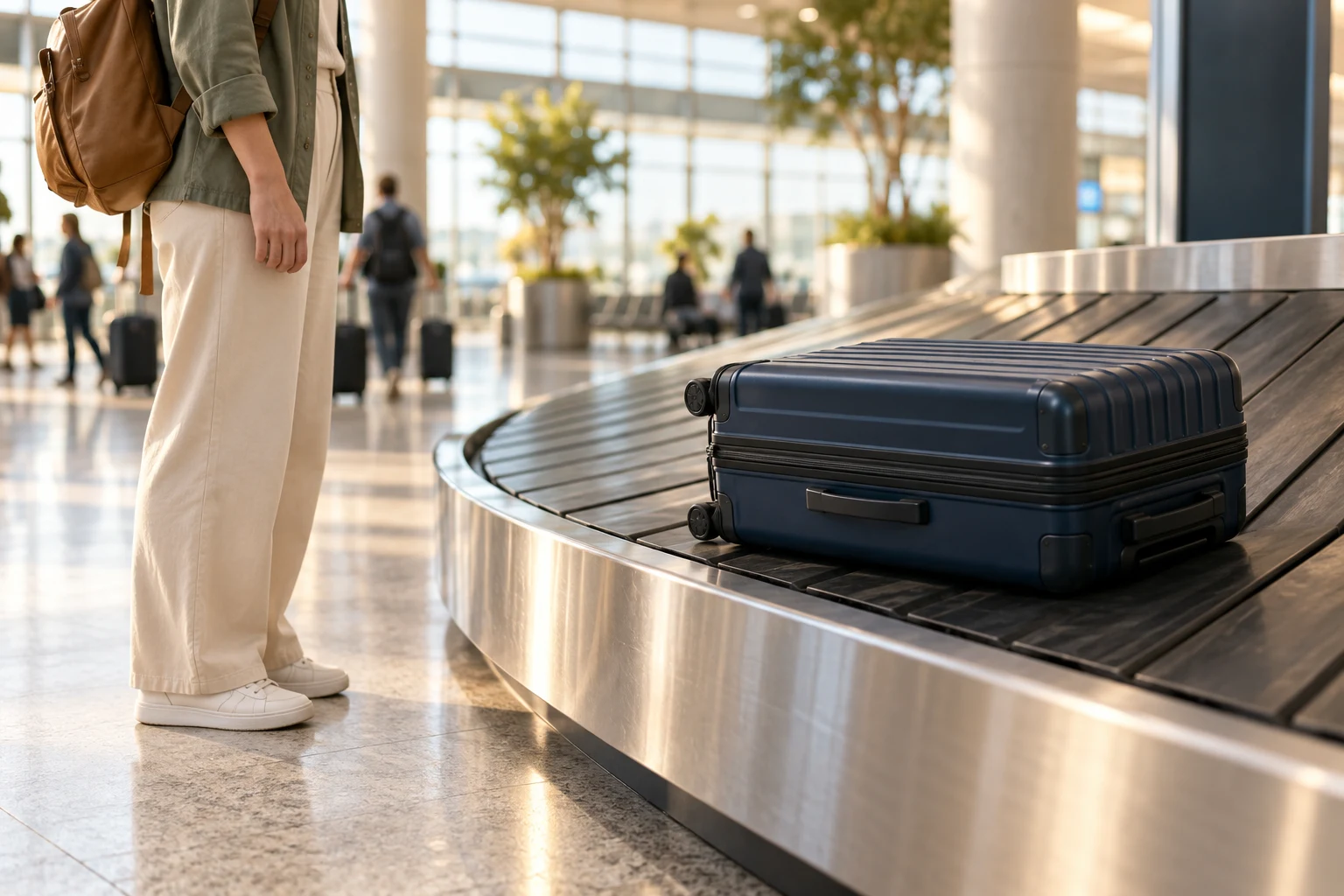
Do you have to collect baggage on connecting flights?
Sometimes. On many through-ticket connections, checked bags transfer to the final destination without you collecting them. Separate tickets, customs requirements, airport changes and some longer breaks can require you to reclaim and recheck the bag.
The reliable answer comes from your itinerary and the airline's instructions at check-in. Ask both where the bag is tagged and whether you must collect it at an intermediate airport. Those are related questions, but they are not always identical.
A final-destination airport code is useful information. It is not permission to ignore a customs collection requirement.
What through-checked baggage means
A through-checked bag is tagged for an onward destination as part of the airline's baggage arrangement. On a straightforward connection, the handling system transfers it between flights while you follow the passenger connection route.
This can happen across partner airlines when the ticket and baggage agreements allow it. The fact that different airline names appear does not automatically mean collection is required.
Equally, the same airline appearing twice does not guarantee through-checking when the flights are separate bookings. Confirm the arrangement rather than using the logos as a shortcut.
Check the airport code on the baggage receipt before leaving the desk. If it differs from what you expected, ask immediately. Keep the receipt somewhere accessible until the bag is back with you.
What changes on separate tickets?
Separate tickets often mean you must collect the bag and check it in again with the onward airline. That can require passing border control, clearing customs and reaching a new check-in area before its deadline.
Some airline arrangements may permit through-checking in particular circumstances, but you should not depend on an exception without confirmation. A previous trip or another traveler's experience does not establish your entitlement.
Ask before buying a short self-transfer. If baggage must be reclaimed, the available connection time needs to cover the full landside process. Our guide to planning a self-transfer explains the additional responsibilities.
Also compare baggage allowances on both tickets. A bag accepted on the first flight may exceed the second airline's limit or require another payment. Confirm weight, size and the number of pieces separately.
Why customs can require collection of a through-tagged bag
Some countries require arriving passengers to collect checked luggage for customs before continuing, even when it is tagged to the final destination. The bag may then be handed back at a designated recheck point.
For many arrivals into the United States from overseas, US Customs and Border Protection's guidance instructs travelers to obtain their luggage for the entry process before continuing. Follow the current instructions for your arrival.
There are exceptions. Preclearance arrangements and specific programs can change the process. CBP's International Remote Baggage Screening information describes an initiative allowing eligible connections without routine bag recheck, subject to its conditions.
Do not generalize an exception to another airport or flight. Ask the airline about your exact itinerary and follow the signs and border officers' instructions when you arrive.
If the bag is already tagged onward, recheck may differ from buying a new baggage service. Confirm where to hand it over after customs and retain the original receipt.
Terminal changes and airport changes
A terminal change does not automatically mean collecting luggage. Bags may transfer within the airport while you use the designated passenger route. The airline's baggage instructions determine what happens.
An airport change is a more substantial issue. You may need to collect and transport the bag yourself, then check in at the next airport. Confirm this before treating two flights in the same city as an easy connection.
Look at the actual airport codes and the ground journey. Include waiting for transport and handling luggage at stations or pickup points. A suitcase can make a transfer less simple than the route planner suggests.
If you need assistance or travel with oversized equipment, ask how the transfer is handled. Special baggage may have a different collection point, acceptance deadline or transport requirement.
What happens during a long or overnight connection?
Airlines can have specific policies for long gaps and overnight baggage storage. Your bag might continue to the final destination or need to be collected at the intermediate airport. Do not infer the answer solely from the duration.
Ask whether you can access the bag during the break. If it is checked through, assume you will not have its contents unless the airline confirms otherwise. Pack permitted essentials in cabin baggage.
If collection is required, confirm where you can keep the suitcase before the next check-in opens. A hotel or storage service can have its own access conditions and hours.
Our guide to overnight airport arrangements covers the difference between airside and landside hotels. The location of your bag can affect which option you can use.
Use a baggage decision checklist
Before departure
- Confirm whether the flights are one ticket or separate tickets.
- Check baggage allowances for every relevant segment.
- Ask whether customs requires intermediate collection.
- Check for airport changes or a long overnight break.
- Confirm special-item handling where needed.
At check-in
- Read the destination code on the baggage receipt.
- Ask explicitly where you must collect the bag.
- Confirm the recheck point and deadline if applicable.
- Keep the receipt and essential items with you.
If an answer is unclear, explain the whole itinerary rather than asking only whether the bag is checked through. Mention separate bookings, an airport change or an overnight stay so staff can address the actual situation.
Follow current airport instructions on arrival. A general guide helps you prepare, but the airline and border process for your flight determines the route you take.
Allow enough time when collection is required
Reclaim adds more than the time spent watching the carousel. You may need border control first, customs afterward and a journey to the next check-in area. The onward bag-drop deadline can be the most important timing constraint.
Work backward from that deadline and include the steps you must complete. Leave room for variation rather than assuming the bag will appear immediately. Our guide to timing a connection around airport procedures explains the method.
If the first flight is delayed, tell the airline or seller when the onward booking is threatened. Do not assume the second airline will accept a late bag because the incoming flight caused the delay.
When comparing flights, include any baggage charges and transfer costs in the total. A cheaper separate-ticket combination can lose its advantage once the extra process is priced realistically.
If the bag does not arrive where expected
Go to the relevant airline or baggage service desk and show the receipt. Explain whether this is an intermediate collection or the final destination. Ask what to do before leaving the reclaim area.
If a report is required, keep its reference and the contact instructions. Confirm how the bag's location affects your onward flight, particularly if you are changing airports or traveling on a separate ticket.
If the passenger itinerary changes, ask whether the baggage routing has changed too. A new boarding pass does not tell you everything about the suitcase's journey.
Keep receipts for necessary purchases and check the airline's baggage policy and applicable rights before assuming reimbursement. Provide accurate delivery details if the airline arranges to send the bag later.
Read the baggage tag before leaving the counter
Look at the destination printed on the tag and compare it with your itinerary. Airport codes can be unfamiliar, especially when a city has several airports. If you are unsure which airport a code represents, ask the check-in agent to explain it.
Then ask a separate question about collection during the connection. A tag showing the final destination does not, by itself, answer whether you must reclaim the bag for customs and place it on a transfer belt afterward.
Keep the small baggage receipt with you, separate from the checked suitcase. Photograph it if that helps you retain the details, but keep the original as well. You may need the tag number if the bag does not arrive where expected.
When several travelers check bags together, know which receipt belongs to which suitcase. A quick photograph of each bag can also help you describe it accurately to baggage-service staff. A black suitcase is a popular choice and a rather broad description.
If the tag destination looks wrong, raise it immediately while you are still at the counter. Do not wait until the connection to investigate something the check-in team could clarify before the bag enters the system.
Keep connection essentials out of the checked bag
Pack the items you may need during the transfer in your cabin baggage, subject to airline and security rules. Think about travel documents, a charger and suitable clothing for an unexpected wait. Keep essential medication accessible and check any applicable carriage requirements.
This matters even when baggage is checked through correctly. You may have no access to the suitcase during a long connection, and an overnight itinerary does not automatically mean the bag will be available at the intermediate airport.
If you expect to collect it, still avoid placing the only copy of your next booking details inside. You may need those details before you reach baggage reclaim or if the suitcase is delayed.
For the return journey, repeat the baggage questions at check-in. Procedures can differ by direction because the entry airport and customs requirements have changed.
Check the receipt before walking away, while the agent can still explain any unfamiliar code and confirm which collection instructions apply to your specific route today.
Your questions answered
Does one ticket guarantee I never collect my bag during a connection?
No. Customs procedures or other itinerary-specific arrangements can require collection even on a through-ticket. Ask where the bag is tagged and whether intermediate reclaim is required, then follow the arrival instructions.
Can I ask to collect a bag during a layover?
Ask the airline before handing it over. Short-checking may be restricted or unavailable for your itinerary. Do not rely on access to the suitcase during the break unless the airline confirms the arrangement.
Will my bag transfer if I change airlines?
It may, depending on the ticket and airline baggage arrangements. Different operators do not automatically require collection, while separate bookings may. Confirm the actual itinerary and keep the baggage receipt.