
Baggage & Sports Equipment | 11 minute read
Flying With Golf Clubs: How to Compare Your Flight Options
Compare flights with golf clubs by adding the equipment charge, ordinary luggage and suitable transfers. Check the packed bag before choosing the cheapest ticket.
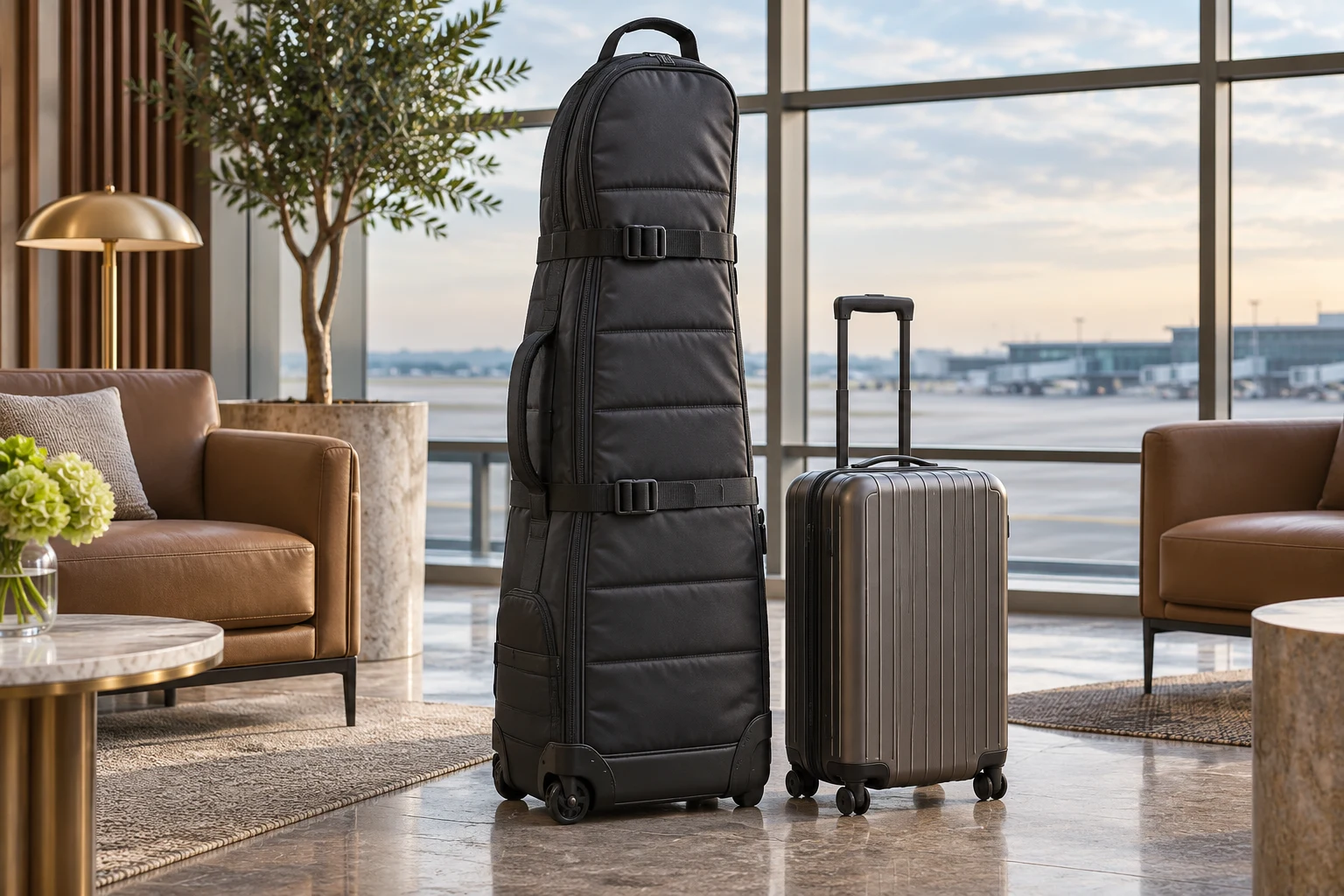
How should you compare flights with golf clubs?
Compare the price of the complete golf trip, starting with a flight that accepts your packed equipment. Add the golf bag, other luggage and ground transport before deciding which fare offers better value.
A dedicated golf fee and a checked-baggage allowance are different ways of selling carriage. Either can work well, depending on the bags you need and what the ticket already includes.
Think about timing too. An inexpensive late arrival may create an extra hotel night or leave little margin before a booked round.
If you only plan to play once, compare renting clubs locally. Familiar clubs can be worth taking, but they do not need to accompany every holiday out of loyalty.
Start with the packed golf bag
List the clubs and permitted accessories you intend to bring. Then check the airline's definition of accepted golfing equipment rather than treating the travel cover as general spare luggage.
Measure the packed external dimensions and weigh the complete arrangement. The golf bag, protective case and padding all contribute to the total.
Check whether shoes, balls and an umbrella are allowed within the stated equipment definition. A separate item may be treated differently from the same item packed inside an accepted bag.
Review what you genuinely need for the trip. Carrying several extra accessories can add weight without improving the rounds you plan to play.
Keep a separate list of clothing and cabin belongings. The golf purchase may solve only one part of your luggage requirements.
Compare a sports addition with checked baggage
British Airways says protected golf equipment can count as one checked item when the ticket includes checked baggage. Its golf carriage guidance also describes advance notification. An additional bag may need purchasing when the included allowance is absent or already used.
easyJet categorizes golf clubs as small sports equipment, with a 20kg maximum under its sports-equipment policy. Read that category separately from the ordinary hold luggage you may purchase.
These examples illustrate different charging structures. They do not establish which airline will be cheapest for your dates, departure airport or resort.
Build quotes for the same luggage requirement. Comparing a bare fare on one airline with a fully equipped booking on another gives a misleading result.
If a fare bundle includes other benefits, count only those you need when assessing the price difference. A lounge or seat perk can be pleasant without being a saving you would otherwise have spent.
Use a comparison sheet for the whole party
| Item | What to record |
|---|---|
| Flight | Return fare for all travelers |
| Golf carriage | Accepted bag, weight and both directions |
| Other luggage | Clothing bags and required cabin extras |
| Transfer | Vehicle with space for people and clubs |
| Schedule | Arrival margin before the first round |
| Alternative | Suitable rental clubs for the planned rounds |
For a group, count actual equipment bags rather than multiplying an assumed allowance. Not every traveler will necessarily bring clubs.
Our guide to comparing a flight's complete cost helps keep the airfare and extras visible in one total.
Confirm the equipment arrangement early
Check how golf carriage is requested or purchased before committing to the itinerary. If the website does not explain your situation clearly, ask with the packed measurements available.
Confirm whether a separate notification is needed after payment. Purchasing a baggage item and telling the airline what it contains can be distinct steps.
For a group trip, give the airline the total number of golf bags. A generic answer about one set of clubs may not resolve a larger equipment request.
Keep the confirmation associated with the correct passenger and flights. Check both outward and return arrangements, particularly when the directions use different carriers.
Read the conditions before buying equipment carriage speculatively. If someone later chooses to rent, the original purchase may not be refundable.
Our guide to adding luggage before departure explains how to settle these decisions while you still have time to compare options.
Choose packaging that meets the carrier's rules
Use an accepted protective bag or case and follow its manufacturer's instructions. Check how club heads and shafts are supported rather than relying on the cover's appearance alone.
Inspect wheels, handles and closures before packing. A travel cover that worked several years ago may need attention before another airport journey.
Do a trial pack early enough to adjust the arrangement. Confirm that the finished case closes properly and remains within the applicable weight and dimensions.
Photograph the clubs and the packed equipment for your records. Keep identifying details and any relevant purchase information somewhere separate from the bag.
If you have insurance, read the equipment and baggage terms rather than assuming the value of the clubs is fully covered. Ask the provider about anything unclear before departure.
Check restrictions for any battery-powered accessory separately. Being useful on a golf course does not determine where it may travel on an aircraft.
Make sure the vehicle fits the equipment
Give the transfer provider the number of people, golf bags and other suitcases. Ask for confirmation that the proposed vehicle can carry that complete load.
A passenger count alone does not describe a golf group's transport needs. Four seats and enough room for four sets of clubs are separate questions.
For a rental car, consider usable space with every passenger seated. Check whether the arrangement would require folding a seat that someone needs.
Include any larger-vehicle surcharge in the flight comparison. A cheaper arrival airport may become more expensive once the appropriate transfer is added.
Think about journeys between accommodation and courses as well. If those transfers also need equipment space, calculate them before deciding that bringing clubs is cheaper than renting.
Compare convenient arrivals with cheaper alternatives
Use the actual course or accommodation location when comparing airports. A low fare to a distant gateway can add enough road travel to reduce the value of a short break.
Check the arrival time against transfer availability and accommodation access. If the plan needs a private pickup, use a quote for the real landing time and equipment.
Allow a realistic interval before the first tee time. Baggage collection, travel to the resort and checking in all take time, even when the flight lands as scheduled.
For the return, leave enough margin after the final round to pack and reach the airport. Avoid making a tightly timed round the last link in an already rushed departure.
Our guide to traveling farther for a cheaper flight helps decide whether the extra journey is worth the saving.
Check every operator and handover
If the journey connects, identify who operates each flight and ask how the equipment is handled throughout. A ticket sold by one airline can involve another carrier's aircraft.
Confirm whether the golf bag is checked through or must be collected and checked again. Build any required handover into the connection plan.
Separate bookings can introduce another baggage purchase and more handling. Calculate those costs before comparing the route with a nonstop alternative.
Ask about the golf arrangement again after an itinerary change. A revised passenger reservation does not necessarily explain the status of an equipment request.
Our guide to identifying the operator on a codeshare helps you direct the question to the airline actually flying each leg.
A worked comparison with invented prices
Suppose Flight A costs £120 return. Golf carriage adds £80, a clothing bag adds £45 and a suitable transfer adds £65. The complete total is £310.
Flight B costs £190, with the accepted golf item covered by the selected fare. A separate clothing bag costs £35 and the transfer costs £50. The total is £275.
These figures are invented, not live airline or transfer prices. Flight B saves £35 under those assumptions despite the higher starting fare.
If Flight B's arrival requires an extra £85 hotel night, its total becomes £360. The apparently better baggage deal then costs £50 more than Flight A.
For several golfers, calculate shared transfer costs at party level and individual airline charges per traveler. Dividing a vehicle quote incorrectly can distort the comparison.
When hiring clubs may make more sense
Get a rental quote for the equipment and number of rounds you need. Ask about available specifications rather than assuming every rental set suits your preferences.
Compare the convenience of collecting clubs at the course with collecting them elsewhere. A separate pickup can add transport or time to the trip.
For one casual round, rental may remove more hassle than it creates. For repeated play with a familiar setup, bringing your own clubs may justify the additional cost.
Check availability before relying on the rental option, particularly if you need a specific handedness or club configuration. A general advertisement does not reserve a suitable set.
If you rent, recalculate the remaining luggage. You may still bring golf shoes or clothing, so not every baggage charge disappears.
Handle the bag check and arrival carefully
Read the airline's instructions for golf equipment and any applicable handover deadline. Plan time to reach a separate oversized-baggage point if required.
Keep the equipment confirmation available at check-in. Check the destination on the baggage tag and retain the receipt until the journey is complete.
At arrival, locate the correct collection area and inspect the bag promptly. If you see damage or an item does not arrive, follow the airline's reporting process while the details are fresh.
Keep transfer contact information accessible in case collection takes longer than expected. Agreeing a practical pickup arrangement beforehand is easier than negotiating beside an empty baggage belt.
The final golf travel check
- Confirm the packed bag meets acceptance and weight rules.
- Check every flight and both travel directions.
- Add ordinary luggage and suitable ground transport.
- Leave a sensible margin before the first round.
- Compare rental clubs if transporting your own adds little value.
Keep the chosen itinerary and equipment receipts together. Share the relevant details with anyone organizing transfers or group travel.
The best flight is the one that gets you and the clubs to the trip you planned at a price you understand. A small saving should not require an optimistic interpretation of three different baggage rules.
Avoid surprises when one person books for everyone
Ask each golfer to confirm whether they will bring clubs and what other luggage they need. Keep those choices beside the passenger names rather than in a separate informal conversation.
Share the quoted equipment price and conditions before collecting money. This helps everyone understand which costs are individual and which are shared by the group.
If a traveler changes plans, revisit the transfer load as well as the airline booking. One additional golf bag can affect a vehicle arrangement that was already tight.
Agree how rental alternatives will work for anyone leaving clubs at home. They may need time to collect equipment before the first group round.
Keep the final itinerary available to all travelers, including the equipment handover instructions and pickup details. The person organizing the holiday should not become the only source of every practical answer.
For the return, confirm the transfer pickup allows enough time to hand over the golf equipment. A group that leaves the resort together still needs to complete individual airline checks.
Ask who will hold the transfer booking and how the driver can contact them. Share a second contact within the group, so a flat phone battery does not leave everyone searching for the pickup details at the airport.
Your questions answered
Are golf clubs included in a standard checked allowance?
Sometimes, subject to the airline's equipment rules and the fare's entitlement. Other carriers sell golf carriage separately. Check the arrangement for your booking.
Should I weigh the travel cover as well as the clubs?
Yes. Compare the complete packed item with the allowance, including the bag, case and permitted contents.
Is a larger rental car always necessary?
Not always. Confirm the usable space for every passenger, golf bag and suitcase rather than choosing solely by the car's category name.
Can I book a round shortly after landing?
Consider baggage collection, transfers and possible delays before committing. A flexible arrival-day plan may be more practical than a tightly timed prepaid round.
Is renting clubs cheaper for a short break?
It can be. Compare suitable rental equipment with the airline charges and transport costs that would genuinely disappear if you left your clubs at home.