
Baggage & Sports Equipment | 11 minute read
Flying With Skis: Which Airline Offers the Best Value?
Find the best value for a ski trip by comparing the airfare, equipment allowance and mountain transfer together. The cheapest ski fee rarely tells the whole story.
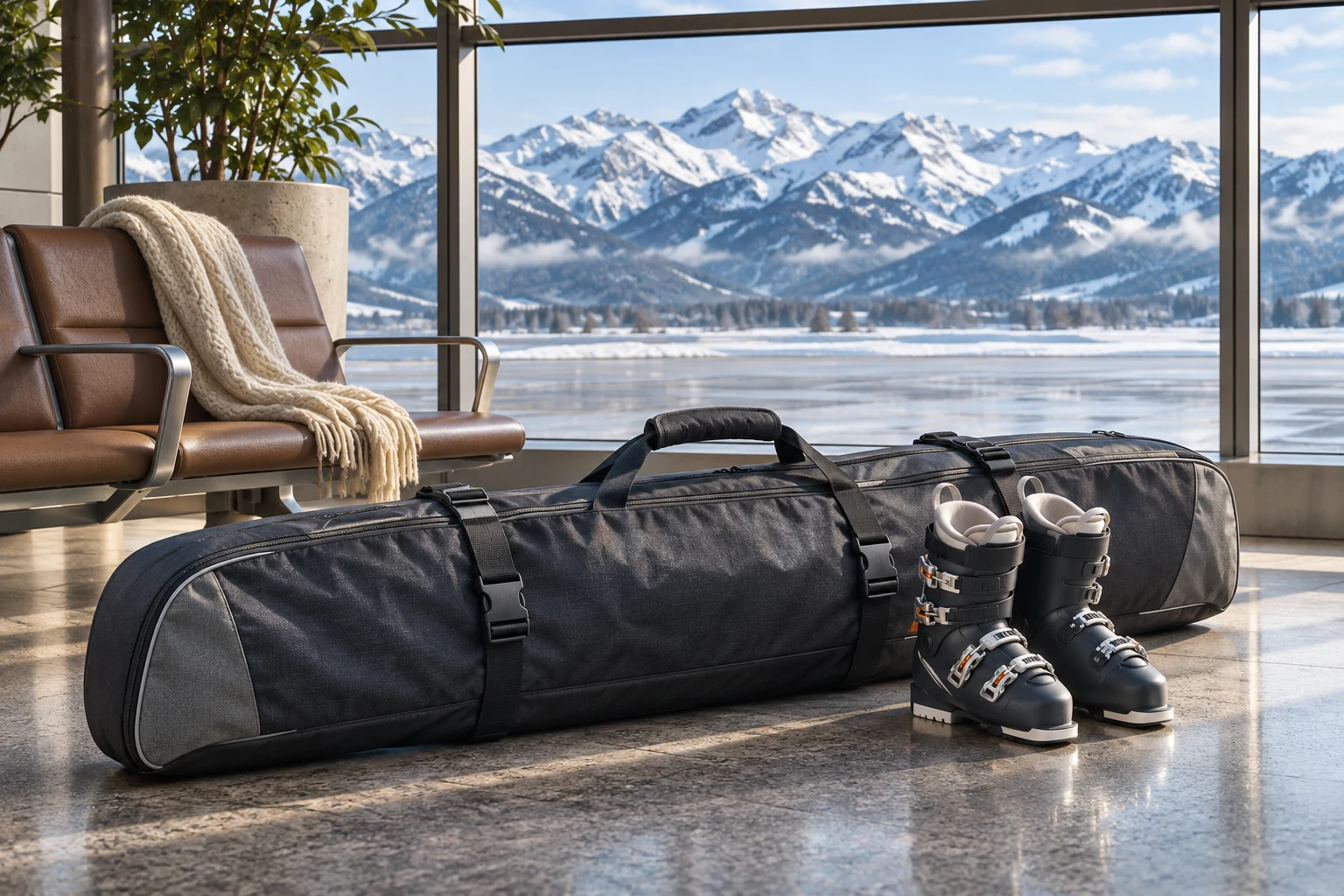
Which airline is best value for flying with skis?
The best-value airline is the one that accepts your equipment and gets you to your resort at the lowest suitable complete cost. That includes the ticket, ski carriage, other luggage and transfers.
Start with the airport and schedule that work for your holiday. A cheap flight becomes less attractive if its arrival misses the last practical transfer or requires an extra hotel night.
Then compare the bags you will actually take. Skis, boots and clothing can fall into different baggage arrangements, so avoid assuming one sports fee covers every item.
If you do not need your own skis, compare renting at the resort. For a short trip, leaving the long bag at home may be the easiest saving you make.
List the equipment before looking at fares
Write down the skis or snowboard, boots, helmet and clothing you plan to bring. Decide which container each item would use under the airline's rules.
Measure the packed ski bag and weigh it with its contents. Include straps, padding and any permitted accessories rather than using the skis' weight alone.
Check whether a separately packed boot bag is treated as another item. This can change both the baggage price and the way you move through the airport.
For a family, create an inventory for each traveler and any proposed shared bag. Confirm whether the airline permits that arrangement before assuming several sets can travel under one purchase.
Keep the inventory short enough to use while booking. A note showing bag count, dimensions and weight is more useful than a vague intention to pack light.
Compare different types of ski allowance
British Airways allows qualifying ski equipment within checked baggage, subject to its sports rules. It specifies a protective bag within 190 by 75 by 65cm. A separately checked boot bag can count as another item, affecting the allowance needed.
easyJet lists skis and boots as small sports equipment with a 20kg maximum. Its sports-equipment page says sports weight cannot be pooled with ordinary hold luggage.
Jet2 advertises 22kg ski carriage, available to add during booking or later through booking management when available. Check the current price and exact equipment arrangement for your flights.
These are different products rather than a universal ranking. A fare with an included checked item might still require another purchase for your clothing, while a separate sports addition may sit alongside a useful suitcase allowance.
Use the current booking total for your dates. Seasonal offers, flight choice and the stage at which you add equipment can make a generic comparison less useful than your own quote.
What to record for every shortlisted flight
| Cost or condition | Question to answer |
|---|---|
| Airfare | What is the return price for everyone traveling? |
| Ski equipment | What packed items and weight does the purchase cover? |
| Other baggage | Where will boots and clothing travel? |
| Transfer | Does the vehicle or service accept the equipment? |
| Timing | Can you reach the resort without an extra overnight stop? |
| Rental alternative | What would suitable skis cost for the days you need them? |
Reject routes that do not work before comparing small price differences. A transfer timetable is part of the booking decision, even when the flight search screen leaves it out.
Choose a gateway for the resort, not just the fare
Compare the journey from each arrival airport to your actual accommodation. A familiar airport name may be convenient for one valley and awkward for another.
Look at the transfer timetable for your travel date and flight time. A route shown on a map does not establish that a useful service runs when you arrive.
Ask whether skis need advance reservation and whether there is a separate equipment charge. For a private transfer, give the provider passenger numbers and all luggage details.
Consider the return journey as carefully as the arrival. An early departure can require a very early mountain pickup or an airport hotel, changing the apparent saving.
If a cheaper airport adds a long transfer, decide whether the money saved compensates for the time lost. Our guide to using a nearby city for cheaper flights provides a way to compare the wider journey.
Protect the skiing time you are paying for
Count usable days at the resort, not just nights in the booking. An evening arrival and early departure can make a short holiday feel shorter still.
Check when you can collect rental equipment if you plan to hire. A late arrival may leave collection until the following morning, depending on the provider.
For your own equipment, allow time to unpack and organize it before the first planned session. Do not schedule an expensive lesson around an arrival with no room for disruption.
Compare an extra night's accommodation with the value of a more convenient flight. Sometimes the higher airfare produces a lower complete bill or a more usable first day.
Keep contingency money separate from confirmed costs. It is sensible to know what an alternative transfer might cost without pretending that expense is certain.
Decide where the boots will travel
Boots can make the packing calculation surprisingly awkward. Their shape may not fit the cabin bag you normally use, and a separate container can create another charge.
If you want boots in the cabin, check the complete bag against the cabin entitlement and relevant security requirements. Do not assume a sports purchase creates an extra cabin item.
If packing them with skis is permitted, weigh the combined arrangement and confirm the packaging still protects the equipment. Do not rely on an allowance described only in kilograms without checking item restrictions.
Traveling with fitted boots while renting skis can be a useful middle option. Price the bags you would still need and the rental equipment you would actually use.
Our guide to comparing cabin and checked luggage helps evaluate convenience alongside the baggage charge.
Pack for handling and the journey home
Choose a protective container that meets the carrier's instructions. Check the packed external length, particularly if the bag expands or has substantial end padding.
Secure equipment so it does not move freely inside. Follow the bag manufacturer's instructions and avoid filling spare space with belongings the airline does not permit in that category.
Inspect zippers, handles and wheels before departure. A long bag with a broken wheel makes the terminal feel like an unexpected endurance event.
Keep a record of the equipment and its condition. Save any identifying details separately from the bag so they remain available if you need them.
Plan where wet equipment will dry before repacking. Leave enough time on the final day to prepare the bag properly rather than closing it in a rush beside the transfer vehicle.
An invented comparison between two flights
Suppose Option A costs £150 return, ski carriage adds £70 and a clothing bag adds £45. A suitable return transfer costs £100. The complete price is £365.
Option B costs £225, includes the baggage arrangement you need and uses a £120 return transfer. Its total is £345. These are invented figures, not current airline or transfer offers.
Option B saves £20 despite its higher airfare. If its schedule requires a £90 hotel night, however, the total becomes £435 and Option A becomes £70 cheaper.
Now calculate the rental alternative for Option A. Remove only the costs that genuinely disappear when you leave the skis at home, then add the equipment hire quote.
If you still need the clothing bag and transfer, those costs remain. Our guide to adding up the real flight price helps avoid comparing an incomplete fare with a fully priced alternative.
When renting can offer better value
Renting can make sense for occasional skiing, a short stay or a trip where transporting equipment creates awkward connections. Compare equipment suitable for your ability and planned use.
Ask what the rental price includes, where collection happens and how returns work. Check whether the quoted period matches the days you need the equipment.
If you own specialist skis or value a familiar setup, transporting them may be worth the extra cost. Treat that preference honestly rather than forcing every decision into the cheapest possible number.
For a group, compare the individual needs. One person bringing fitted equipment does not mean everyone should make the same choice.
Check availability before relying on a rental saving. A low advertised rate is not useful if the required size or type cannot be reserved for your dates.
Book the equipment for the correct flights
Confirm the outward and return sports selections, then save the receipt. Make sure the purchase is linked to the traveler and itinerary you intended.
If booking through an agent, establish how equipment requests are handled. Ask who will confirm acceptance and where the completed purchase should appear.
Read the conditions before buying speculative extras. If you later rent instead, the airline's sports fee may not be refundable.
After a flight change, check the equipment arrangement again. This is particularly useful when the operator, airport or connection changes.
Our guide to deciding when to add baggage explains how to settle the packing plan before airport charges become your remaining option.
Make room for oversized baggage procedures
Read the airport instructions supplied by your airline. Sports equipment may use a different handover point after the initial check-in process.
Allow time to move the bags there and complete the required steps before the relevant deadline. Traveling with children or several long bags may require a slower practical plan.
Keep your equipment receipt accessible and check the destination on the baggage tag. At arrival, look for the appropriate collection area rather than assuming every item appears together.
Inspect the equipment promptly and follow the airline's reporting procedure if there is a problem. Keep documents and photographs that explain what happened.
Choose the flight that works with the whole trip
- Measure and weigh the packed equipment.
- Confirm acceptance, item count and booking requirements.
- Add ordinary bags and the full return sports charge.
- Check resort transfers against both flight times.
- Compare renting and bringing your own equipment.
Write down the final total and the main practical compromise for each option. That might be a longer transfer, an early pickup or the inconvenience of carrying another bag.
Choose using those complete options. An airline can be excellent value for one resort and an awkward choice for another, even with exactly the same ski carriage fee.
Coordinate a group without buying unnecessary extras
Ask every traveler whether they are bringing skis, boots or neither. A group organizer should work from actual equipment needs rather than adding the same package to every ticket.
Record the bags separately from the passengers. This helps the airline and transfer provider understand the load, particularly when some people rent and others bring their own equipment.
Agree how shared costs will be divided before booking. A larger transfer vehicle may benefit the whole group, while an individual sports addition belongs to the person using it.
If someone plans to join later or leave early, calculate their flight and transfer arrangement separately. The main group's return purchase may not cover the change.
For a mixed group of skiers and non-skiers, compare the complete trip without treating every traveler as an equipment passenger. This can make a different fare combination worthwhile.
Share the baggage confirmation and transfer details with the party. People packing independently need to know their own limits, not just that the holiday has been booked.
Finally, set a practical meeting plan for arrival. Several people waiting at different baggage collection points can delay a transfer even when all the equipment arrives normally.
A little coordination before departure usually feels less demanding than reorganizing everyone and their bags in the terminal.
If the group uses different flights, confirm whether one shared transfer still makes sense. Waiting for the final arrival can reduce the time available at the resort. Compare separate pickups with the actual saving before asking everyone to follow the same transport plan.
Your questions answered
Is the airline with the lowest ski fee always cheapest?
No. Add the airfare, other luggage and transfers. Schedule differences or an extra overnight stay can outweigh a lower equipment charge.
Can a boot bag count as an extra item?
Yes, depending on the airline and packing arrangement. Check its treatment before assuming a ski purchase covers every separate container.
Should beginners rent skis instead of flying with them?
Compare the rental quote with the transport costs and convenience. The right answer depends on trip length, available equipment and what you already own.
Can I combine a sports allowance with my suitcase weight?
Only if the relevant rules permit it. Treat each purchased category and its limits separately until the airline confirms otherwise.
What should I recheck after changing flights?
Confirm equipment acceptance, purchased extras and the transfer timetable. A different flight can change both the airport process and the journey to the resort.