
Flight Prices & Value | 9 minute read
Do You Need to Pay for Seat Selection?
Paying for a seat usually buys a choice of position rather than permission to sit down. Check automatic allocation, free selection windows and any needs that make a particular seat important.
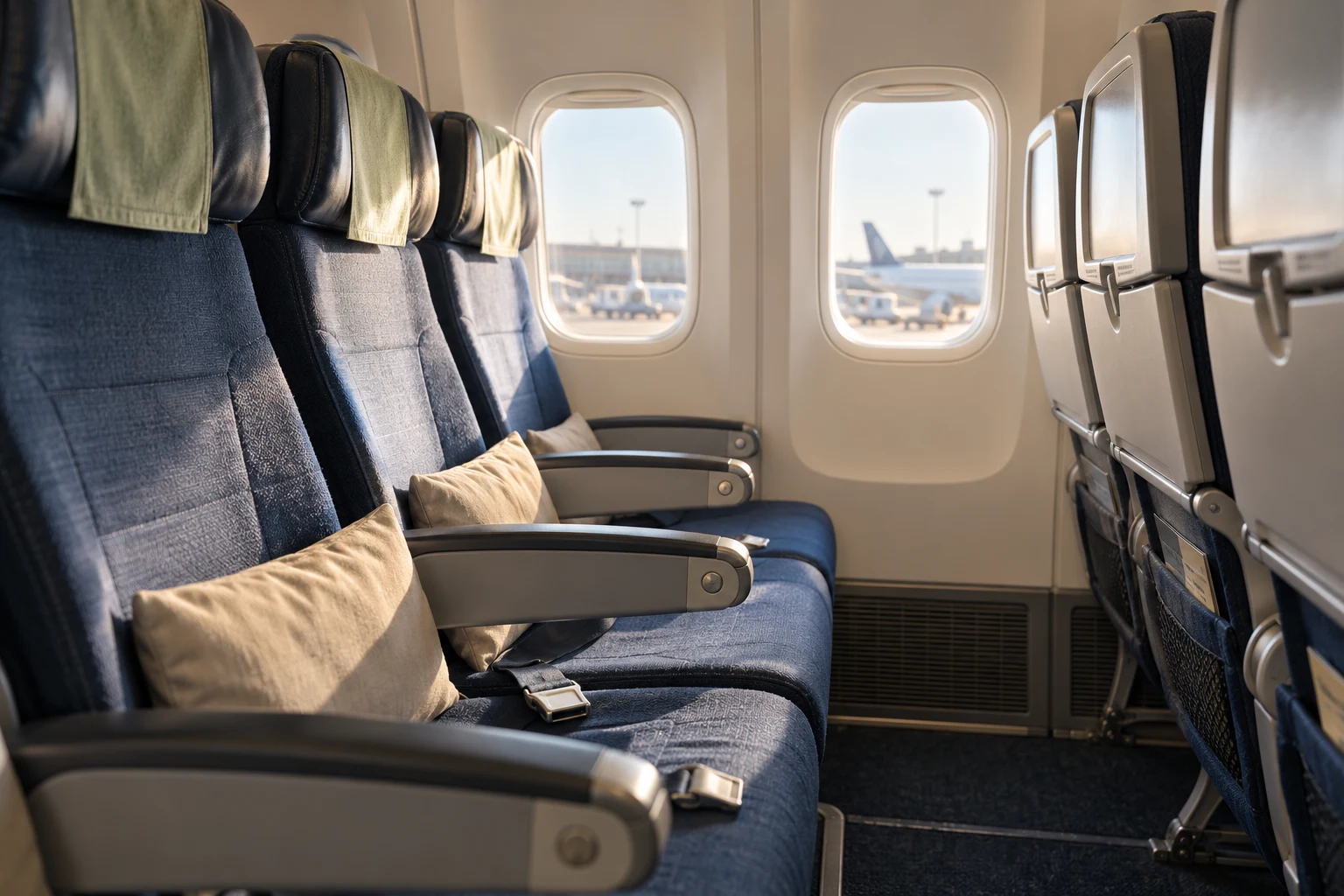
Do you need to pay for seat selection?
You usually do not need to buy seat selection simply to receive a seat on a confirmed flight. Many airlines allocate one during check-in or offer standard selection at a later stage. Paying can be worthwhile when you want a specific position or need to keep a group in a particular arrangement.
Check the policy for your airline and fare. Free allocation, free choice and advance paid selection are different arrangements, and a seat map full of prices does not necessarily mean payment is compulsory.
Understand how a seat is assigned
Automatic allocation means the airline selects the seat for you. You may receive the number during online check-in or later at the airport, depending on the booking and operating process.
Free selection means you can choose from eligible available seats without a separate charge. That benefit may begin at booking, during a stated check-in window or through a fare or membership entitlement.
Paid selection lets you choose an eligible seat subject to the purchase terms. A higher-priced seat can reflect location or extra space, but the label should explain what you are buying.
For example, easyJet's seating terms describe automatic allocation at check-in when a passenger does not select a seat. Its system tries to place booking companions close together, subject to availability. Read the family provisions separately when children travel.
Keep the distinction clear when comparing fares. A ticket that includes automatic allocation offers a different degree of choice from one that includes advance selection.
Find the option that matches your choice
During booking, read the seat-selection page before clicking a priced position. Look for the option to skip selection or continue with automatic allocation if that is permitted for your fare.
Review the booking total after leaving the seat page. If a seat charge remains, check whether a selection is still active for one traveler or one flight.
On a return or connecting itinerary, the seat page may show several segments separately. A charge for one flight should not be mistaken for a whole-journey purchase.
If the interface appears to require payment, check the fare conditions or ask the airline. Avoid purchasing an unwanted extra simply because the continuation button is less prominent than the colorful seat map.
Check when standard selection becomes free
Some airlines open free standard selection during check-in. Others continue to charge for choosing a position while offering free allocation. Do not assume that waiting creates a free choice on every carrier.
As checked on November 1, 2026, Qatar Airways' optional-services information states that standard economy seat selection is free at the check-in window. Its advance benefits vary by fare and membership. Check the current conditions for your booking.
If you plan to wait, note when check-in opens and understand that desirable seats may already be taken. Free selection can mean choosing from what remains.
Check membership benefits before buying. Add the correct frequent-flyer number and confirm that any entitlement applies to the operating flight and companions concerned.
Do not buy a more expensive fare solely because it advertises seat selection until you compare the fare difference with the separate seat price and other benefits you would use.
When paying can be worthwhile
A strong preference can justify a modest charge, especially on a long flight. An aisle seat may suit someone who expects to get up often, while a window seat may suit someone who wants to lean against the side and avoid being disturbed by seatmates.
For a group of adults, paying may be worthwhile if sitting together is an important part of the trip. Automatic allocation may place companions apart, even on the same booking.
For a short flight where any position is acceptable, the same fee may offer little benefit. Compare the cost with how much the choice changes your experience rather than treating every seat-map warning as a reason to spend.
Think about both directions separately. You may value a chosen seat more on an overnight return than on a short daytime outbound flight.
If extra space is the main goal, our guide to assessing extra-legroom seats explains the restrictions and tradeoffs. A preferred location near the front does not necessarily provide more knee room.
Check family seating rules before buying seats
Airlines have different policies for seating children with an accompanying adult. The relevant age limits and meaning of together can differ, so read the family policy rather than relying only on the generic seat-selection page.
A policy covering a young child and one adult may not keep every adult and teenager in the same row. If the whole group wants a particular arrangement, compare that preference with what the policy actually provides.
Our guide to family seating without extra charges compares selected policies and practical booking steps. Enter children's ages correctly and keep related travelers on the same reservation where possible.
If the assigned seats do not meet the applicable policy or a specific assistance need, contact the airline promptly. Do not wait until boarding and rely on other passengers to exchange seats.
Discuss essential seating needs directly
If a disability or assistance requirement affects seating, contact the airline through its assistance process before paying for an optional seat. Explain the functional need and ask what arrangements are available.
A seat sold as extra legroom may be in an emergency exit row and unsuitable for someone who cannot perform the required duties. A paid label does not override safety restrictions.
Confirm any arrangement in the booking and keep the response. If another airline operates a connecting segment, check that the relevant request has reached it too.
Recheck after an aircraft or schedule change. A seat number that worked on the original aircraft may describe a different position on the replacement.
Calculate the charge across the whole trip
Multiply the seat price by the travelers and flight segments you intend to cover. A small amount displayed for one selection can become a meaningful addition across a family return journey.
For example, a fictional $18 seat fee for four travelers on two flights totals $144. If the trip has four separately charged segments, the same fee totals $288. These are invented figures showing the calculation.
Check whether the airline requires seat purchases for everyone on the reservation when you choose paid allocation. Where that condition applies, the cost of selecting one person's preferred position can involve the rest of the group.
Compare the total with a fare that includes suitable selection, but inspect which seats are included. An entitlement to standard seats may exclude premium locations or extra-legroom rows.
Read the change and refund conditions
Seat assignments can change for operational or safety reasons. Keep the receipt and check the airline's remedy if it cannot provide the purchased seat category.
If you voluntarily change flights, the seat purchase may have separate conditions. Confirm whether the payment transfers, whether a difference is due and whether any refund is available.
After a rebooking, inspect the new seat map and the assignment for every traveler. A familiar seat number alone does not prove that the position or features are unchanged.
Raise a mismatch promptly through the airline's official channel. Save the original selection and the replacement details so that the request is specific.
Do not read a seat map as a passenger list
A seat shown as unavailable may already be selected, reserved for operational reasons or outside the options available to your fare. The map does not necessarily show how many tickets have been sold.
Likewise, an empty-looking map does not guarantee an empty flight. Some passengers receive seats later, and availability can change before departure.
Use the map to compare the choices actually offered to you. Check the legend for standard, preferred and restricted positions, plus any notes about recline or storage.
If a seat you want is unavailable, decide whether an acceptable alternative exists at a price you are comfortable paying. Rechecking later may reveal another option, but it should not be treated as a promise.
For a pair of travelers, avoid assuming that leaving the middle seat unselected will keep it empty. Another passenger may be assigned there. Buy the arrangement you need under the airline's rules rather than relying on a seat-map tactic.
After selecting, save the confirmation and review the final booking total. Make sure the chosen seat belongs to the correct traveler and flight, especially when several similar seat maps appear during checkout.
If the airline changes the aircraft, inspect the revised layout again. A familiar letter or row number can represent a different position, so the feature you paid for deserves another check.
Check the seat choice after paying too. If the reservation shows no assignment, contact the seller with the receipt before attempting to purchase the same seat again.
Your questions answered
Will I be left without a seat if I skip paid selection?
Skipping an optional seat purchase normally means accepting the airline's allocation process. Check your fare and reservation status. Seat selection does not remove every operational issue, including possible disruption or overbooking.
Can I choose a seat for free at check-in?
Some airlines allow free standard selection then, while others provide free allocation and charge for choice. Check the exact airline and fare policy before deciding to wait.
Does paying guarantee the exact seat number?
Operational or safety changes can still occur. Read the purchase conditions and the remedy for an unavailable seat category. Keep the receipt and review assignments after any rebooking.
Is a preferred seat the same as extra legroom?
Not necessarily. Preferred can describe a location within the cabin. Check the seat's stated features and the aircraft layout before paying for additional space.