
Baggage & Sports Equipment | 9 minute read
Vueling Baggage Allowance: Which Fare Fits Your Luggage?
Compare Vueling fares using the bags you need, including whether a bundle offers a choice between cabin and checked luggage. Read the selected option before paying.
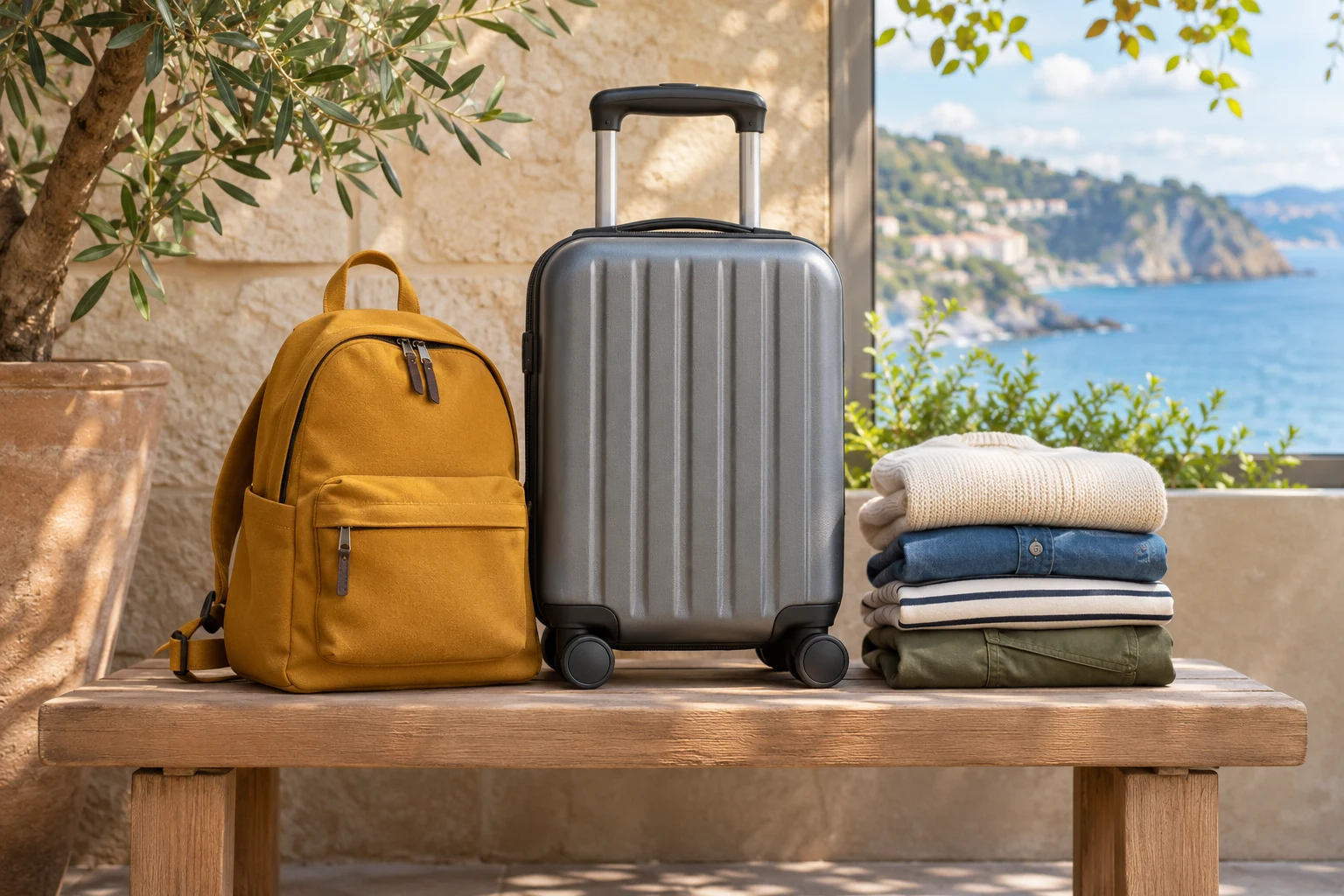
Which Vueling baggage allowance fits your trip?
Choose a Vueling fare after deciding whether you need only an underseat bag, an overhead cabin bag or checked luggage. The distinction can change which package offers the lowest suitable price.
Read the current fare comparison during booking. Older guides may describe different fare names or inclusions, so avoid assuming a package works exactly as it did on a previous trip.
Pay particular attention when a fare offers a choice of baggage. Selecting one option does not mean you receive both.
A packing list is a useful antidote to an impressive-looking bundle of extras.
The current fare structure
Vueling's official fare comparison lists Fly Light, Fly and Fly Grande. Its baggage structure is summarized below. Confirm the package offered for your selected flights.
| Fare | Baggage structure |
|---|---|
| Fly Light | Underseat item up to 40 by 30 by 20cm |
| Fly | Underseat item plus a choice of a 10kg overhead bag or 25kg checked bag |
| Fly Grande | Underseat item, qualifying overhead bag and 25kg checked bag |
The listed overhead bag dimensions are 55 by 40 by 20cm. Other benefits and conditions also differ between fares. Read them separately from the baggage allowance.
The important comparison is the option you actually select in checkout. Keep that selection visible when comparing the final price with buying extras separately.
When an underseat bag is enough
A small bag can suit a brief trip with limited clothing and no bulky equipment. Check what you realistically need before deciding that the lightest fare works.
Measure the bag after packing. Soft backpacks can expand beyond their empty dimensions, particularly when the outer pockets are full.
Consider access during the flight. Keep the items you expect to use organized so you can reach them without emptying the whole bag.
If you need another bag for a laptop or shopping, check whether that creates an additional item beyond the entitlement. Do not assume every small-looking bag can be carried separately.
Our guide to understanding personal items and cabin bags explains the category difference before you compare a backpack-only fare with one allowing an overhead case.
When carrying a larger bag onboard matters
An overhead bag can be attractive when you want more packing space while keeping luggage with you. Check that your selected fare or purchase includes that category.
Measure the suitcase, including the parts counted by the airline, and weigh it once packed. A cabin-size label from a shop is not proof that the bag fits every carrier.
Think about the contents as well as the case. Restricted-item and airport security rules remain separate from the bag's size and weight allowance.
If your main reason for choosing an overhead bag is a quick arrival, remember that operational circumstances can affect where baggage travels. Avoid making a critical onward appointment depend on a completely uninterrupted airport exit.
Compare the cost of the overhead option with the fare bundle that includes it. Count other bundle benefits only when you expect to use them.
When checked luggage is the better fit
Checked baggage may suit a longer stay, a bulky packing list or a traveler who prefers not to handle a larger bag onboard. Include the collection time in your arrival plan.
If a fare lets you choose checked luggage instead of an overhead bag, decide which arrangement meets your needs. You may still need to purchase the other category if you want both.
Keep the permitted number of bags, weight and dimensions together in your notes. Extra weight does not automatically mean you can divide belongings into any number of cases.
For two travelers, confirm the rules before relying on a shared suitcase. A combined packing plan should respect the individual entitlements and bag limits attached to the booking.
Our guide to choosing between hand luggage and hold luggage helps compare the convenience as well as the price.
Compare the bundle with separate additions
Start with the lowest fare that can meet your requirements. Add the baggage categories you need, then compare the result with the next suitable bundle.
Include seat selection only if you intend to purchase it. Loading one option with extras you would not buy makes the comparison misleading.
Read flexibility conditions independently. A bundle may include a form of cancellation benefit without making it equivalent to an unrestricted cash refund.
If your dates are uncertain, understand exactly what can be changed and any deadline or fare difference. Baggage should not distract you from a condition that matters more to the trip.
Save the final fare breakdown before paying. It is easier to compare complete totals than to remember several numbers from earlier screens.
An invented comparison for a weekend trip
Suppose Fly Light costs £95 return and the overhead bag you require adds £48. The completed option costs £143. A suitable Fly quote costs £135 with the overhead choice selected. These are invented prices, not current Vueling offers.
Under those assumptions, Fly saves £8 for the luggage you need. If you can travel comfortably with the included underseat bag alone, Fly Light remains £95 and saves £40.
Now suppose you need checked luggage as well. Recalculate the relevant addition rather than assuming the selected overhead option also includes a suitcase in the hold.
For several passengers, check the party total and the options chosen for each person. Identical fare names do not remove the need to confirm the baggage selection.
Our guide to calculating the complete flight price helps keep those additions visible.
Add baggage to the correct flights
Before purchasing an extra, identify the traveler and direction it covers. Check both outward and return flights, especially if you booked them separately.
Use the current booking-management options and read the purchase conditions. If you booked through an agent, establish whether the airline or seller handles the addition.
Keep the receipt and confirm the updated entitlement. If the booking does not show the purchase clearly, ask for help before arriving at the airport.
After changing a flight, verify how the extra is treated on the revised itinerary. Avoid paying twice because you assumed an existing purchase had disappeared, or traveling without it because you assumed it had transferred.
Our guide to adding baggage at the right stage explains a practical sequence for deciding and buying.
Remember the packing plan for the flight home
Leave space for likely purchases if shopping is part of the trip. A small outward bag can become an awkward return plan when you add gifts or clothing.
Check the return operator and allowance separately if the journey combines airlines. A bag acceptable on one flight may require a different purchase on another.
Weigh and measure after repacking. Moving items into a backpack can change its dimensions even when the suitcase becomes lighter.
Consider whether buying an additional bag creates other expenses, such as a larger transfer vehicle. The airline charge is only one part of handling more luggage.
Taking less can be a useful saving, but only when the resulting packing plan still supports the trip you want.
Confirm the selection before payment
- Identify the bags you need in each direction.
- Check the current fare names and inclusions.
- Confirm any choice between overhead and checked baggage.
- Add necessary extras and compare the party total.
- Read the conditions and save the confirmation.
Measure the bags you own before buying new luggage. You may already have a suitable combination, or a different packing arrangement may solve the problem.
If a specialist item is involved, read its policy separately. A normal suitcase allowance does not answer every question about equipment, packaging or advance acceptance.
The right fare is the one that accommodates your real luggage at an acceptable complete price. A bundle earns its place by being useful.
Choose baggage around different travelers' needs
Two people on the same trip may need different luggage arrangements. One might travel with a backpack while another needs clothing for an event or a longer stay.
Start by writing each person's requirements independently. Then examine whether the booking process lets you choose the combination you want and how it prices the party total.
A shared checked suitcase can be convenient when the rules permit the intended arrangement, but decide who will handle it. The person buying the bag may not be the person who finds it easiest to carry.
Think about what happens after arrival. If the travelers separate for part of the holiday, sharing one suitcase may create an awkward exchange even when it reduces the airline bill.
For a work trip followed by leisure time, separate essential items from optional clothing before comparing fares. You may find that a realistic packing list requires both a cabin item and checked luggage.
If one traveler returns earlier, check how the shared belongings will get home. Baggage selections should match the people and flights actually carrying the items.
A useful final check is to imagine the party standing at the departure airport with every bag packed. Count the separate items and match each one to a confirmed entitlement.
This also helps identify accidental extras such as a shopping tote or an additional laptop bag. Decide where those contents will go before the airport, while repacking is still a quiet domestic task.
If the booking screen groups passengers together, check the final selections carefully before payment. Ask the seller about an arrangement you cannot clearly select, rather than buying a different product and hoping to correct it later. Save the answer alongside your baggage receipt for future reference.
Your questions answered
Does the cheapest Vueling fare include an overhead suitcase?
Check the current fare shown in your booking. Fly Light's listed inclusion is an underseat item. An overhead bag requires the appropriate inclusion or purchase.
Does Fly include both overhead and checked baggage?
The current comparison describes a choice between those categories. Confirm which option you select and price any additional category you also need.
Should I rely on an older guide mentioning different fare names?
Use the current booking and official fare comparison. Older names or benefits may describe a previous product rather than the ticket now being sold.
Is the largest bundle always the best value?
No. Compare its useful inclusions with the cheaper fare plus necessary extras. Benefits you would not otherwise purchase do not automatically create a cash saving.
What should I do if I change my flight?
Check the revised baggage entitlement and treatment of any purchased extras. Keep the updated confirmation and resolve unclear details with the airline or seller before departure.