
Baggage & Sports Equipment | 11 minute read
Turkish Airlines Baggage Allowance: Comparing Fare Options
Turkish Airlines baggage varies by route and fare. Use your reservation to compare checked luggage, cabin bags and extra-baggage costs before choosing a ticket.
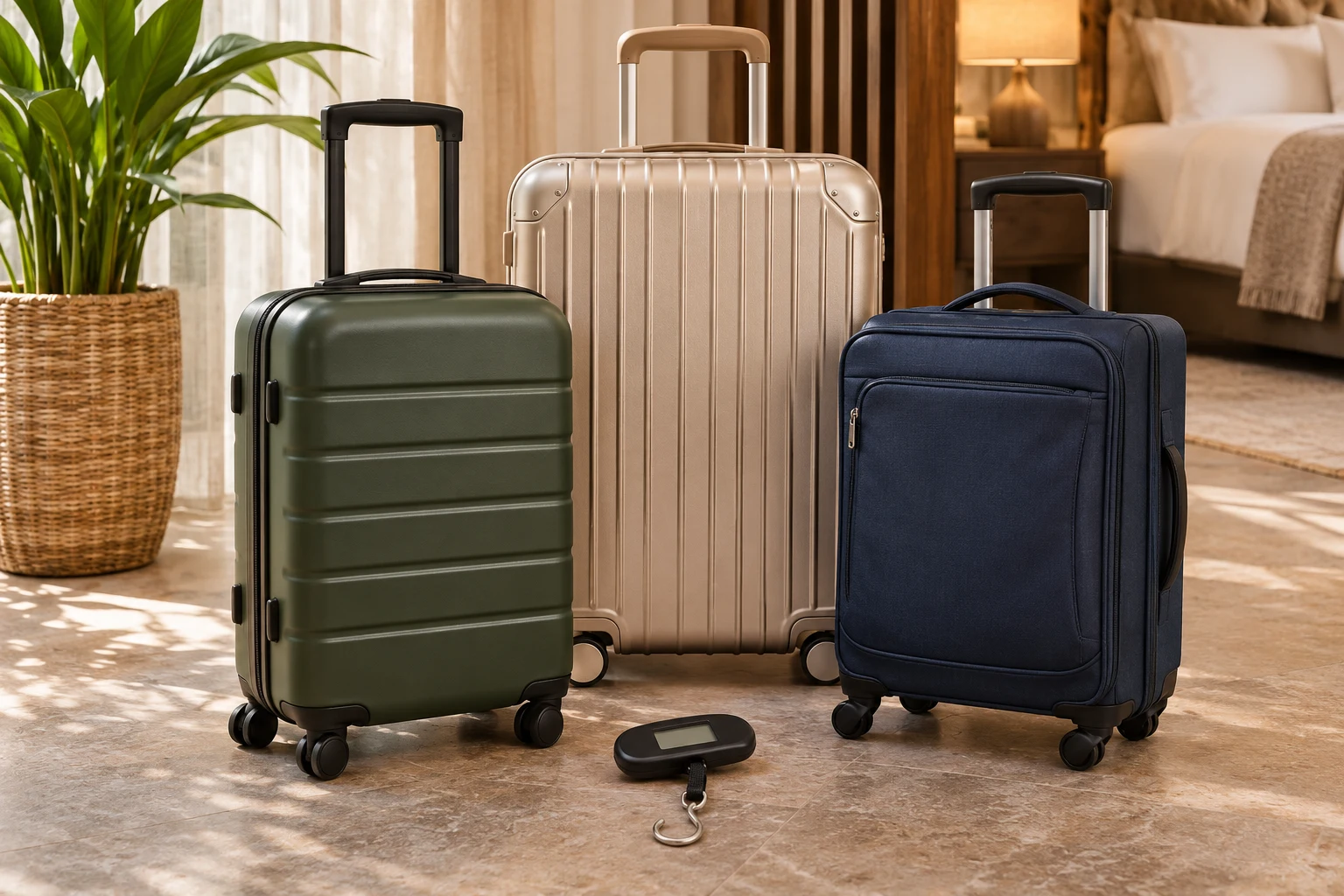
Turkish Airlines baggage allowance depends on the ticket
There is no single checked-baggage figure that describes every Turkish Airlines economy booking. Compare the route, fare package and operating airline, then use the allowance shown in your reservation.
Keep cabin baggage separate from checked baggage. Buying more hold allowance does not increase the amount you can carry into the cabin.
Start with the luggage you actually need. A higher fare can be cheaper after necessary additions, while a traveler packing lightly may get better value from a lower fare with fewer inclusions.
The airline name is a starting point. The baggage entry beside your flight is the useful part.
Why EcoFly does not answer the whole question
Turkish Airlines' international fare rules state that checked allowance varies by route. Some EcoFly routes have no included checked baggage. Read the applicable fare conditions rather than assuming every economy ticket contains a suitcase.
Fare names can appear on both domestic and international journeys without making the allowances identical. A table describing a flight within Turkey should not be used to settle a question about a UK departure.
Open the fare comparison for the flights you selected. Record the allowance under each option and note any other difference you genuinely need, such as seat selection or change conditions.
If you already booked, use the confirmation and manage-booking record. General marketing pages explain the products, but the reservation identifies the purchase you made.
Use the baggage calculator with the complete itinerary
The airline's baggage calculator asks for route information and distinguishes its estimate from the current allowance in your reservation. Enter the complete journey accurately, including connections where requested.
Check the departure and arrival airport codes. Selecting a nearby city or omitting a sector can produce information that does not describe your ticket.
Read the result in the format provided. A number of pieces and a total weight are different types of allowance, even when both can be expressed in kilograms.
If the calculator and confirmation seem inconsistent, ask for clarification using your booking details. Do not choose the larger number simply because it is more convenient.
Keep a copy of the confirmed allowance and any extra-baggage receipt. Those records are useful if you later amend the itinerary or need help with a purchase.
What to record when comparing fare options
| Entry | Question to answer |
|---|---|
| Fare package | Which option is actually being sold? |
| Checked baggage | Total weight or a specified number of pieces? |
| Individual bag | What weight and size limits apply? |
| Cabin bag | What can travel with you onboard? |
| Operator | Does another airline operate a sector? |
| Additional purchase | Which passenger and flights does it cover? |
Complete the same entries for each fare. That avoids comparing one option before extras with another after adding everything you need.
Our guide to comparing tickets that include checked luggage explains how to build the baggage requirement into the price comparison from the beginning.
Turkish Airlines cabin baggage and personal items
The current cabin-baggage policy lists one economy cabin bag up to 8kg and 55 by 40 by 23cm, plus a personal item up to 4kg and 40 by 30 by 15cm. Business allows two qualifying cabin bags, each up to 8kg, with a 16kg combined limit, plus the personal item. Check the operator on mixed-airline journeys.
Measure the bags you intend to use after packing. Handles, wheels and an expanded pocket can change the dimensions that matter.
Put dense items on the scale rather than judging by appearance. A laptop, charging equipment and a few books can make a small bag heavier than expected.
Our guide to separating a personal item from a cabin bag helps you avoid treating two distinct categories as one combined entitlement.
Check restricted-item instructions independently. An item fitting the weight limit does not establish that it can travel in a particular bag.
Read weight and piece allowances correctly
With a total-weight allowance, add the weights of the checked bags you intend to bring. With a piece allowance, check both how many bags you can take and the maximum for each one.
For an illustrative piece allowance of two bags up to 23kg each, one bag at 27kg and another at 18kg does not satisfy the per-bag rule merely because their combined weight is below 46kg.
For an illustrative total allowance of 30kg, bags weighing 18kg and 14kg exceed the combined limit. Neither suitcase needs to look unusually large for the packing plan to be overweight.
These examples explain the arithmetic, not a universal Turkish Airlines entitlement. Use the numbers in your own reservation.
Keep dimensions and any individual maximum in the same notes. Extra weight allowance does not automatically solve an oversized-item problem.
Build the packing plan before buying a bundle
Lay out the items you expect to take and decide how they will travel. Separate things needed during the journey from items that can go into checked luggage, subject to the applicable packing rules.
Consider the return journey. Shopping, gifts or equipment collection can make it different from the outward flight.
For several travelers, list needs individually. Confirm any permitted sharing rather than assuming a party total lets one person ignore an individual limit.
Look at the empty weight of your cases. A heavy case uses part of the allowance before you add clothing. Replacing it can help in some circumstances, but include the purchase cost in the decision.
Do not buy a larger fare bundle simply because the allowance looks generous. Choose it when the benefits meet a real need or cost less than the additions you would otherwise purchase.
A fare comparison with invented prices
Suppose the lower fare costs £430 return and the next suitable fare costs £495. Your required extra baggage on the lower fare is quoted at £80. These are invented figures, not current Turkish Airlines prices.
The lower fare plus baggage becomes £510. The higher fare is £15 cheaper if it already includes the allowance you require.
If you can pack within the lower fare's included allowance, the extra purchase disappears. The lower option then saves £65.
Now include any seating purchase you genuinely intend to make. If one fare includes a suitable seat and the other charges for it, add that difference too.
For two travelers, multiply the relevant passenger charges. Keep shared expenses, such as a taxi, separate. A clear total makes it easier to see which fare fits the trip.
Check the scope of additional baggage purchases
Use the quote supplied for your booking and read what it covers. Confirm the passenger, direction and flights before paying.
Check whether the purchase adds weight or another piece. The product should address the actual limit your packing plan exceeds.
If your ticket includes another airline, confirm that the purchase is valid for the relevant sector. An addition shown for one flight should not be assumed to apply to every operator.
Keep the receipt and verify the updated booking. If a later flight change affects the purchase, ask how it will be handled before making another payment.
Our guide to choosing when to add flight baggage helps you avoid leaving the decision until you are already at the airport.
Baggage allowance and baggage collection are separate
Read the operating airline on every flight, including connections sold under another carrier's flight number. A familiar logo at checkout does not describe every aircraft in the itinerary.
Confirm the allowance applicable to the whole ticket and any sector-specific cabin rules. If the confirmation is unclear, ask the seller or airline to identify the correct entitlement.
Then check the transfer process. Establish whether you must collect checked bags at an intermediate airport and where they should be tagged.
A separately booked onward flight needs its own baggage comparison. A case accepted on the first ticket may require a different allowance on the next.
Our guide to checking whether bags need collecting between flights explains the questions to ask before relying on a short connection.
Sports equipment and other unusual items
A standard checked allowance does not answer every question about a bicycle, instrument or bulky case. Read the policy for the item itself and check whether advance arrangements are required.
Measure and weigh equipment in its protective packaging. The empty travel case can make a meaningful difference to the finished load.
For children and infants, check the allowance and equipment rules attached to the passenger's ticket. Avoid extending an adult suitcase rule to a stroller or car seat by assumption.
If you need assistance equipment, contact the airline about the specific handling arrangements. Keep the confirmation accessible during the journey.
Plan the ground transport too. An item accepted by the airline may still require a larger vehicle or additional arrangements at your destination.
Check the bags before airport day
Weigh each bag separately and write the result beside its dimensions. That makes it easier to identify whether the issue is weight, size or piece count.
If a bag is too large, removing clothing may reduce weight without changing the dimensions enough. If it is simply too heavy, a careful review of the contents may solve the problem without buying a replacement.
Leave a practical margin for small additions. Packing exactly to the limit makes a last-minute charger or gift surprisingly consequential.
Check labels and contact details. Keep the booking confirmation and baggage receipts somewhere you can reach without opening the case you are checking.
Repeat the weighing before the flight home. A bag repacked after a trip is a new measurement, even if it is the same suitcase.
Choose the lowest fare that meets your actual needs
Compare the completed booking, including the luggage you require and the seats you intend to purchase. Then read the fare's change and cancellation conditions separately.
If two fares meet the same requirements, the lower total may be the sensible choice. If the higher fare adds useful flexibility, decide what that benefit is worth for your particular plans.
A baggage-inclusive fare is useful when it replaces spending you would otherwise make. It should not encourage you to pack more simply to justify the purchase.
Once the allowance and bags match, you can travel with a clear plan instead of relying on what another passenger remembers from a different route.
Read the allowance on the issued ticket
Once the booking is issued, compare the baggage details with the quote you intended to buy. Look for any difference between a weight allowance and a permitted number of pieces.
If a code or abbreviation is unclear, ask the airline or seller to explain it using your actual bags as an example. Describe how many cases you plan to check and their packed weights.
Keep the response with the ticket, particularly when the journey combines several flights. This gives you a consistent reference if a later itinerary change creates a different-looking allowance.
Check names and flight directions on any extra-baggage purchase. A correct payment attached to the wrong traveler or leg still needs resolving.
Finally, share the confirmed packing limits with everyone in the party. One person remembering the booking screen is less reliable than each traveler knowing the entitlement attached to their own ticket.
Ask about any conflicting allowance before departure, while the seller can still review the issued ticket and extras.
Your questions answered
Does every Turkish Airlines economy fare include checked baggage?
No universal inclusion should be assumed. Check the fare and route in your reservation, especially when considering EcoFly. Domestic and international examples can describe different allowances.
Can I add my cabin and checked allowances together?
Treat them separately. Each category has its own limits and packing rules. Extra checked allowance does not automatically increase what you can carry onboard.
Is the baggage calculator enough on its own?
Use it to understand the route and compare options, then confirm the allowance in your reservation. Resolve any inconsistency with the airline or seller before relying on a figure.
Can one heavy bag use another bag's spare allowance?
That depends on the applicable rules, including individual limits. A piece allowance requires each bag to meet its own maximum. Do not rely only on the combined weight.
What should I check after changing flights?
Confirm the revised allowance, operating airlines and coverage of any purchased baggage. Keep the updated documents together so you can identify exactly what applies to the new itinerary.